Shopping cart
You have no items in your shopping cart.
Cleaning anal toys correctly depends on material, construction, texture, and whether electronics are present. This guide explains a practical hygiene routine, material-specific precautions, drying and storage, and how to avoid cross-contamination.
Anal toys can carry lubricant, body fluids, and microorganisms. A toy that appears clean may still have residue around seams, ridges, and the base. Good hygiene is especially important when a product is shared or moved between body areas. The basic principle is straightforward: follow the manufacturer's cleaning instructions, wash reusable contact surfaces after use, dry completely, and use appropriate barriers when sharing. Never move a toy from the anus to the vagina or mouth without thorough cleaning and a fresh barrier where appropriate.
Check the manufacturer's exact material description rather than relying on color, softness, or marketing labels. A product can combine silicone, metal, glass, TPE, plastic, adhesives, and electronics. Removable components may have different cleaning rules from the main body. Identify any battery compartment, charging port, seam, motor, or coating before exposing the item to water. If the manual is unavailable, request the instructions instead of guessing about immersion or disinfectants.
First turn off powered products and disconnect charging equipment. Second, remove only the parts the manufacturer says are detachable. Third, inspect the surface for tears, cracks, chips, or damaged seals. Fourth, clean each approved component using the stated cleaner and water temperature. Fifth, pay particular attention to ridges, bead junctions, and the base. Sixth, rinse away cleaning residue if directed. Seventh, allow every component to dry fully before reassembly, charging, or storage. Stop using damaged items rather than trying to clean around defects.
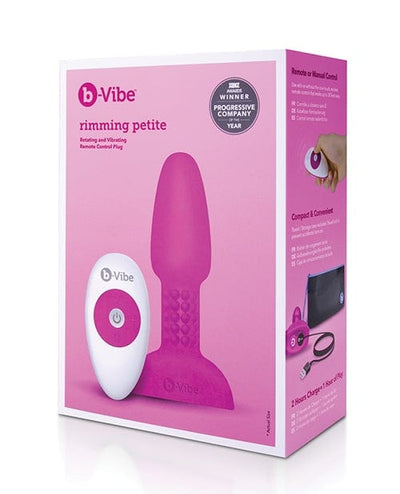
Many purpose-built silicone products have relatively easy-to-clean surfaces, but formulations and assemblies vary. The manufacturer's approved soap, water temperature, and disinfecting method take priority. A silicone exterior does not mean a powered toy can be boiled, immersed, or put in a dishwasher. Examine textured surfaces and transitions carefully. When a silicone product has a rigid core or electronic component, follow the most restrictive care instructions for the complete assembly.
Purpose-built stainless steel products generally have rigid surfaces, but coatings, adhesives, decorative details, and nonmetal attachments can change cleaning requirements. Follow the manufacturer's washing instructions, inspect for corrosion or damaged plating, and dry completely. Check edges, junctions, and the base for residue. Do not use abrasive pads or harsh chemicals without explicit approval. A shiny metal appearance does not prove that an item is solid stainless steel.
Only use products specifically manufactured for their intended purpose. Before washing and again before use, inspect glass for chips, cracks, sharp edges, and damaged transitions. Discontinue use if any defect is present. Follow the maker's recommended water temperature and cleaning method. Avoid sudden extreme temperature changes unless the manufacturer explicitly approves them. Dry and store glass separately where it cannot strike other hard objects.
TPE and TPR cover many formulations, and some finished products may be more difficult to clean thoroughly than nonporous alternatives. Follow the manufacturer's specific cleaning, drying, and replacement instructions. Avoid heat, solvents, or disinfectants not approved for that material. Inspect for persistent tackiness, cracking, peeling, or odors. If a surface has deteriorated, replacing the product may be more appropriate than attempting aggressive cleaning.
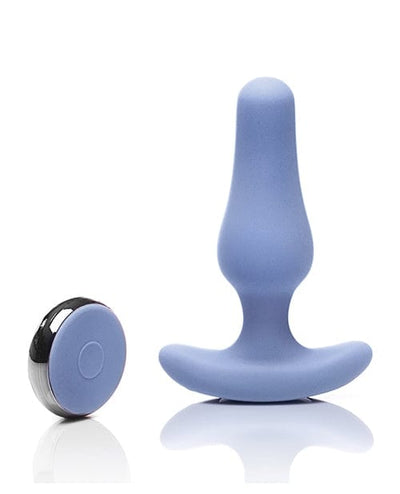
Water resistance applies to the exact device and its components, not simply to the material on the outside. Some powered products have removable washable parts and wipe-only motor housings. Protect charging contacts, buttons, battery doors, and seams. Never immerse an electrical assembly unless the manufacturer explicitly permits it. Ensure connectors are fully dry before charging. Do not open a sealed housing to clean inside it.
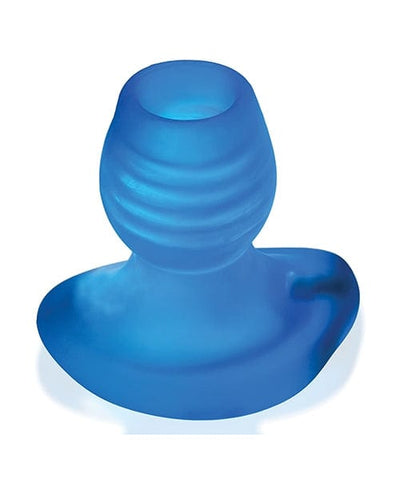
The transition between a plug's body, narrow neck, and flared base can trap residue. Clean these surfaces according to the manufacturer's instructions and inspect for cracks or loose connections. A secure flared base is essential for anal use; damage to it is a reason to stop using the product. Do not rely on a cleaning routine to compensate for an unsafe or deteriorating base design.
Bead sets may have narrow connectors, gaps, or textured transitions. Inspect every connection and clean accessible spaces using the approved method. Do not pull excessively on flexible connectors or attempt to separate permanently joined components. Check for stretching, tears, or weakened joints before and after washing. Products with inaccessible damaged crevices should not be kept in use.
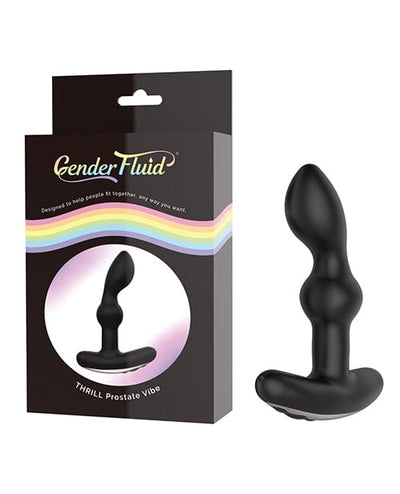
Slim probes and curved products may have grooves or changes in diameter that require attention during washing. Follow the approved cleaning method for the exact material. Inspect rigid products for sharp edges and flexible ones for deformation. Check that the base or retrieval feature remains intact. Long or narrow dimensions do not eliminate the need for a purpose-built design with an appropriate external stop.
Washing removes visible soil and residue, while disinfection aims to reduce microorganisms. A commercial cleaner labeled for toys does not automatically disinfect every surface or replace washing. Follow the product's instructions and any approved disinfectant contact time. Avoid improvising with bleach, alcohol, or other household chemicals that can damage materials or leave irritating residue. Do not assume that boiling or dishwasher cleaning is safe for all products.
A toy used anally should not be moved to the vagina or mouth without appropriate cleaning and a fresh barrier as needed. When sharing toys, use a new condom or suitable barrier for each person and body area, and clean the product between uses according to its instructions. A barrier does not make a damaged or difficult-to-clean item safe. Planned Parenthood and the CDC provide additional information on cleaning shared toys and reducing infection risks.
Moisture can remain around ridges, seams, handles, and removable components even when the exterior looks dry. Follow the manufacturer's recommended drying method and allow sufficient airflow. Do not seal damp toys inside plastic bags or closed storage cases. Avoid hair dryers, ovens, radiators, and direct high heat unless expressly approved. Powered items must have dry charging contacts before reconnecting a cable.
Store items clean and fully dry, away from heat, sunlight, sharp objects, and pressure that could deform soft parts. Follow the maker's guidance on separating materials and protecting coatings. Wrap glass items or use individual protective compartments to prevent impacts. Do not place heavy metal objects on flexible products. For devices with batteries, follow the manufacturer's long-term charging and storage instructions.
Stop using an item with cracks, chips, sharp edges, damaged bases, peeling coatings, persistent tackiness, significant deformation, or deterioration that prevents adequate cleaning. Do not patch contact surfaces with household glue or tape. For powered products, abnormal heat, battery swelling, exposed wiring, or unreliable controls also require discontinuing use and contacting the manufacturer.
The table below highlights the information to verify, rather than prescribing one universal cleaning method.
| Material or design | Cleaning consideration | Important caution |
|---|---|---|
| Silicone | Approved soap and water method | Electronics and adhesives may limit heat or immersion |
| Stainless steel | Clean seams and dry thoroughly | Inspect coatings and nonmetal attachments |
| Glass | Inspect and wash as instructed | Discard chipped or cracked items |
| TPE / TPR | Follow formulation-specific instructions | Check for deterioration and cleaning limits |
| Powered products | Separate washable and wipe-only components | Protect motor and charging contacts |
| Bead sets | Clean junctions and connectors | Inspect for tears and weakened links |
| Textured products | Clean grooves and raised features | Avoid abrasive tools |
A useful listing should disclose the exact material, removable components, water-resistance rating, approved cleaner, drying method, and replacement guidance. Examine whether the design has accessible surfaces and a secure base. A product with clear manufacturer documentation is easier to maintain than one described only with vague terms such as hygienic or premium. Compare category specifications in Butt Plugs, Anal Beads, and Anal Probes.
For material characteristics, see Anal Toy Materials: Silicone, Metal, Glass and Other Options. For dimensions and base design, read the Anal Toy Size Guide. For general care across product categories, use How to Clean and Store Sex Toys. Choose a compatible lubricant using our Anal Lubricant Buying Guide.
Follow the manufacturer's instructions; reusable contact surfaces should generally be cleaned after use.
Only if the manufacturer explicitly approves boiling for that exact product or detachable component.
Do not use a dishwasher unless the manufacturer specifically permits it.
Not always. Use the cleaning method approved for the specific material and construction.
Only if the complete device is rated and approved for that method. A washable liner does not make the motor waterproof.
Clean between people and body areas, and use fresh barriers as appropriate. Never move a toy from anus to vagina without appropriate hygiene measures.
Store them dry, protected from heat and damage, and follow material-separation instructions.
Stop using it and follow the manufacturer's replacement or warranty guidance.
Identify the material and electronics; inspect for damage; clean by the approved method; pay attention to grooves, seams, and bases; rinse where directed; dry completely; prevent cross-contamination; and store safely. Clear product-specific instructions are more reliable than generic promises that a toy is easy to clean.
For broader sexual-health guidance, consult Planned Parenthood's sex-toy guidance and the CDC STI Treatment Guidelines. Manufacturer instructions remain essential for product-specific cleaning.