Shopping cart
You have no items in your shopping cart.
Quick answer: Improving a partner’s pleasure is less about finding one “perfect technique” and more about communication, feedback, comfort, and realistic expectations. Ask what feels good, adjust based on the answer, avoid treating orgasm as a required outcome, and use toys only when both partners want them. If pain, persistent difficulty with orgasm, or a sudden change in sexual response is causing concern, a healthcare professional can help.
There is no universal formula for giving a partner more pleasure. Bodies, preferences, sensitivity, stress levels, medications, relationship dynamics, and comfort all affect sexual response. Planned Parenthood emphasizes that people like different things and that open communication is one of the most reliable ways to understand a partner’s preferences. Its sexual communication guide explains why ongoing feedback matters.
One of the biggest mistakes couples make is treating pleasure like a performance goal. Expectations such as “I should know what to do” or “my partner should always orgasm” can create pressure that makes communication harder.
Planned Parenthood notes that there is no single “right” way to experience orgasm and that people differ in what kinds of stimulation they prefer, how much time they need, and whether they orgasm in a given situation at all.
Enjoyable sex does not require orgasm every time. Planned Parenthood specifically advises against putting pressure on yourself or a partner to have one. A more useful goal is a mutually comfortable, enjoyable experience.
Direct questions are usually more reliable than guessing from body language alone. Planned Parenthood recommends talking about likes, dislikes, boundaries, pressure, pace, and preferred activities.
Stress, fatigue, hormones, medications, mood, and physical comfort can change what feels good. A preference that worked previously is not a permanent rule.
A useful approach is simple: try something, check the response, ask for feedback, and adjust. This makes pleasure collaborative rather than dependent on one partner “performing correctly.”
When you change several things at once, it can be difficult to know which adjustment helped. Small changes in pressure, pace, position, or stimulation type are easier to evaluate.
Some people prefer steady stimulation once something feels good, while others prefer variation. Ask instead of assuming that constant change is always more exciting.
Consent is an ongoing part of sexual activity, not a one-time agreement. Planned Parenthood explains that a person can change their mind at any point and that uncertainty or discomfort should prompt a check-in. Its consent guidance provides practical examples.
Either partner should feel comfortable slowing down, changing activities, or stopping entirely without guilt or pressure.
Unexpected pain, numbness, burning, or sharp discomfort are reasons to stop and reassess. Persistent pain should be discussed with a qualified healthcare professional.
Cleveland Clinic notes that orgasm can be affected by stress, emotional comfort, age, hormone changes, medical conditions, medications, alcohol or drug use, and relationship factors. Its orgasm overview also notes that many people need experimentation and communication to understand what works for them.
Some people need more time, different stimulation, or different circumstances. Others may not orgasm in every situation, even when they are enjoying the experience.
If orgasm becomes consistently difficult, changes suddenly, or causes distress, Cleveland Clinic recommends talking with a healthcare provider. Medications and health conditions can sometimes contribute.
Instead of thinking in terms of one “best technique,” compare adjustable variables.
Some people prefer lighter contact, while others prefer firmer stimulation. Increase gradually rather than assuming stronger is better.
Slow and steady may feel better for one person, while another prefers faster or more variable pacing.
If your partner says something feels good, maintaining it may be more useful than immediately changing technique.
Sounds, breathing, or movement do not have universal meanings. Verbal feedback is usually clearer.
A toy can add another stimulation option, but it should support the experience rather than become a substitute for communication.
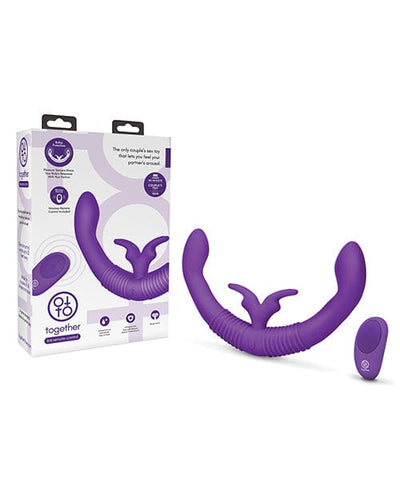
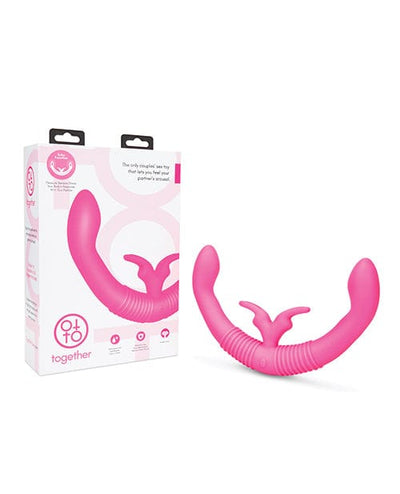
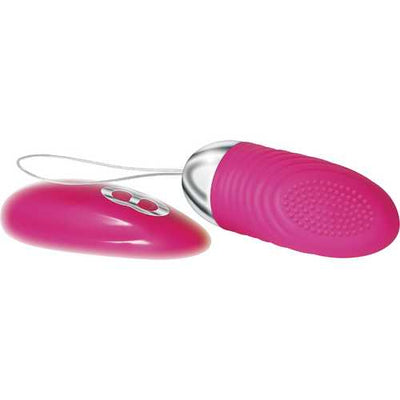
Before comparing products, decide whether you want external stimulation, wearable use, remote control, or another specific function.
For a dedicated product-selection article, see our guide on how to choose and introduce sex toys together. For current products, browse our Couples Toys Collection.
Adding a toy does not guarantee orgasm and should not create an expectation that a partner must respond a certain way.
If the product has many modes, begin with a comfortable setting and adjust gradually based on feedback.
If the toy becomes distracting, uncomfortable, too intense, or simply unnecessary, set it aside. The activity does not need to continue just because a product was introduced.
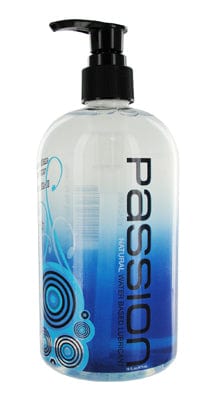
Lubricant can reduce friction and improve comfort in many sexual activities. The correct formula depends on the activity, condom type, and toy material.
Check the lubricant instructions and the toy manufacturer’s guidance before combining products.
Browse our Lubricants Collection.
| Area | What to ask or check | Why it matters |
|---|---|---|
| Comfort | Does this feel comfortable? | Comfort can change during an activity |
| Pressure | More, less, or the same? | Preferences vary widely |
| Pace | Slower, faster, or steady? | Prevents unnecessary guessing |
| Consent | Do you want to continue? | Consent is ongoing |
| Expectations | Are we focused on enjoyment rather than an outcome? | Reduces performance pressure |
| Toys | Do we both want to use one? | Products should be mutually wanted |
| Afterward | What worked or should change next time? | Builds useful feedback for future experiences |
Preferences are individual. What worked with one person may not work with another.
When a partner gives positive feedback, consistency can be more useful than constant variation.
Orgasm is not guaranteed and is not the only measure of a positive sexual experience.
Body language can be ambiguous. Clear communication is more reliable.
A product should be added only when both partners are comfortable with the idea.
Pain is a reason to stop or change course, not a challenge to overcome.
Cleveland Clinic notes that persistent difficulty with orgasm can sometimes be related to stress, medical conditions, hormone changes, medications, or relationship factors.
If a medication may be affecting sexual function, discuss it with the prescribing clinician rather than changing or stopping it without guidance.
This article focuses on communication, consent, realistic expectations, comfort, and adjustable product features. We reviewed current guidance from Planned Parenthood on sexual communication, consent, and orgasm variability, along with Cleveland Clinic information on factors that can affect orgasm. We avoid claims that any specific technique or product can guarantee a particular sexual outcome.
Last updated: October 2, 2026.
Ask directly and keep checking in. Preferences differ between people and can change over time.
Not necessarily. If your partner says something feels good, maintaining the same pressure or pace may be more useful than changing constantly.
No. Planned Parenthood notes that sex can be enjoyable and intimate with or without orgasm.
Avoid adding pressure. Stress, medications, health conditions, expectations, and other factors can affect orgasm. If the difficulty is persistent and distressing, professional guidance may help.
No. Toys add stimulation options, but response varies by person and situation.
Not necessarily. Choose based on the type of stimulation, controls, size, material, comfort, and how both partners plan to use it.
Stop or change the activity. Persistent or recurrent pain should be evaluated by a qualified healthcare professional.