Shopping cart
You have no items in your shopping cart.
Quick answer: Sexual anxiety can show up as worry about performance, erections, orgasm, body image, pain, pleasing a partner, or trying something new. The most useful first steps are usually to reduce performance pressure, communicate openly, slow the situation down, and stop treating a specific sexual outcome as a requirement. Persistent symptoms, pain, trauma-related distress, or ongoing changes in sexual function deserve professional evaluation because anxiety can overlap with physical, relational, and medical factors.
This guide is specifically about sexual anxiety and performance pressure. It is not another general relationship-communication article and it is not a sexual-wellness claims page. The focus here is the anxiety cycle itself: what can trigger it, what can make it worse, what low-pressure strategies may help, and when professional care is appropriate.
Cleveland Clinic describes sexual performance anxiety as worry, fear, embarrassment, or self-consciousness that interferes with sexual interest, arousal, performance, or pleasure. It can affect people of any sex and is not itself a formal diagnosis.
Cleveland Clinic notes that when people become preoccupied with whether they will perform well, it can become harder to stay present and enjoy the experience. A disappointing encounter can then increase worry the next time, creating a cycle.
Source: Cleveland Clinic: Sexual Performance Anxiety.
It is important not to assume that every sexual-function problem is caused by anxiety alone.
Mayo Clinic explains that erectile function depends on the brain, hormones, emotions, nerves, muscles, and blood vessels. Stress and anxiety can cause or worsen erectile dysfunction, but medical conditions and medications can also contribute.
A minor physical difficulty can create anxiety, and the anxiety can then make the physical difficulty worse. That does not mean the original cause was purely psychological.
Source: Mayo Clinic: Erectile Dysfunction — Symptoms and Causes.
Cleveland Clinic notes that unfamiliar situations can create nervousness because expectations are uncertain.
People may anticipate a repeat of something that felt embarrassing, frustrating, or unsuccessful.
Feeling exposed or worried about appearance can make it difficult to stay focused on pleasure and connection.
Resentment, conflict, or uncertainty in the relationship can affect desire and sexual confidence.
Work, finances, sleep deprivation, caregiving, and other stressors can make sexual focus more difficult.
Past sexual trauma or abuse can affect safety, trust, arousal, and comfort in complex ways.
The goal is to understand what is increasing pressure and decide whether the situation can be made safer and lower-pressure, or whether professional support would be more useful.
One of the most effective conceptual shifts is to stop treating sex like a test with a required outcome.
More useful goals are comfort, communication, mutual interest, and noticing what feels good in the moment.
Cleveland Clinic recommends talking openly with a partner because silence can allow both people to make inaccurate assumptions.
You do not need a detailed explanation. Saying that you feel nervous, distracted, or pressured can help a partner understand that the issue is not necessarily lack of attraction.
Examples might include slowing down, removing a performance goal, taking a break, choosing a more familiar activity, or changing the environment.
For a broader communication guide, see How to Talk to Your Partner About Trying New Things.
Anxiety often increases when people feel they have to move quickly toward a specific sexual outcome.
A familiar setting, fewer distractions, and fewer new activities can make it easier to stay present.
There is no requirement to move from one sexual activity to another in a fixed sequence.
Slow breathing, noticing physical sensations, and taking brief pauses can help some people reduce immediate tension.
These strategies may help with momentary stress, but they are not a treatment for an anxiety disorder, trauma, or a medical cause of sexual dysfunction.
If you start worrying about “breathing correctly,” the strategy can become another source of pressure. Keep it simple.
Cleveland Clinic identifies body-image concerns as a common contributor to sexual performance anxiety.
Constantly evaluating how your body looks from another person’s perspective can make it harder to notice comfort and pleasure.
Supportive feedback can reduce immediate worry, but persistent body-image distress may benefit from therapy or broader mental-health support.
Mayo Clinic notes that anxiety commonly overlaps with erectile dysfunction and premature ejaculation.
Concern about getting or keeping an erection can itself create additional stress, which may worsen erectile difficulty.
Mayo Clinic notes that anxiety and relationship factors can contribute to premature ejaculation, while biological factors may also play a role.
If these problems are persistent, new, or distressing, a clinician can help distinguish psychological, medical, medication-related, and mixed causes.
Source: Mayo Clinic: Premature Ejaculation — Symptoms and Causes.
Pressure to orgasm can make pleasure more difficult for some people.
Partnered sex can still be satisfying even when orgasm does not happen.
If orgasm becomes consistently difficult, painful, or changes suddenly, medical or psychological factors may be involved.
Pain should not be treated as something to “push through” in order to overcome anxiety.
Cleveland Clinic notes that painful orgasm and other sexual pain can involve physical, psychological, and emotional factors.
Repeated pelvic, genital, abdominal, or orgasm-related pain should be evaluated rather than assumed to be anxiety.
Source: Cleveland Clinic: Dysorgasmia.
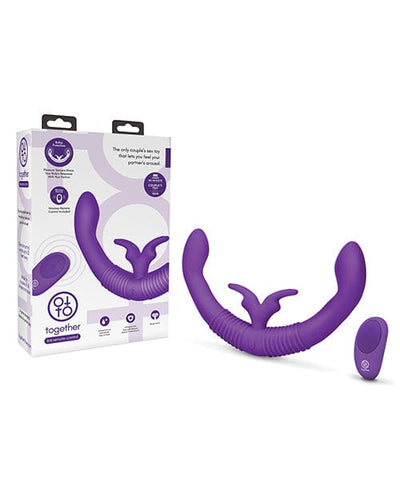
Sex toys are optional products, not treatments for anxiety.
For some couples or solo users, a familiar product can provide predictable stimulation or reduce the feeling that one person has to “perform.”
New controls, noise, charging, positioning, or unfamiliar sensations may increase pressure for some people.
If you do choose a product, compare practical factors such as size, controls, noise, material, cleaning, and intended use. For shared-use shopping, see our Sex Toys for Couples guide.
| Stress point | Lower-pressure alternative | When to seek more help |
|---|---|---|
| Fear of “performing” | Remove outcome goals | Persistent distress or avoidance |
| Body-image worry | Reduce self-monitoring, communicate | Severe or ongoing body-image distress |
| Erection worry | Slow down, remove penetration pressure | Persistent/new erectile difficulty |
| Orgasm pressure | Focus on comfort and pleasure | Persistent or sudden orgasm changes |
| New activity anxiety | Discuss boundaries and simplify | Trauma-related distress or panic |
| Pain | Stop the activity | Recurrent or unexplained pain |
More effort can increase self-monitoring and pressure.
Medical conditions, medication effects, hormones, cardiovascular factors, pain, and neurological issues can overlap with anxiety.
Alcohol may reduce inhibitions temporarily but can impair sexual function, judgment, communication, and consent.
No toy should be marketed as a treatment for anxiety, erectile dysfunction, orgasm difficulty, or another medical condition unless it is specifically regulated and supported for that use.
Avoidance can sometimes reinforce the anxiety cycle, though no one should force themselves into sexual activity they do not want.
Professional support makes sense when sexual anxiety is persistent, distressing, or associated with physical symptoms.
Cleveland Clinic specifically notes that therapy, including sex therapy, can help when anxiety, relationship issues, or trauma contribute to performance anxiety.
This article separates sexual performance anxiety from broader sexual-wellness claims and from ordinary communication advice. We reviewed Cleveland Clinic guidance on sexual performance anxiety and painful orgasm, along with Mayo Clinic guidance on erectile dysfunction and premature ejaculation. These sources consistently emphasize that sexual-function concerns can involve both psychological and physical factors, and that persistent symptoms deserve evaluation rather than self-diagnosis.
Last updated: October 2, 2026.
It can involve worry about erections, orgasm, ejaculation, body image, pleasing a partner, or whether sex will “go well,” often making it harder to stay present.
Yes. Mayo Clinic notes that stress and anxiety can cause or worsen erectile dysfunction, although physical causes may also be involved.
Yes. Pressure, distraction, fear, stress, and other psychological factors can interfere with arousal and orgasm for some people.
No. You do not need to force sexual activity. Lowering pressure, communicating, slowing down, or stopping are all valid options.
No. A toy may change the experience or reduce pressure for some people, but it is not a treatment for anxiety.
Seek evaluation when symptoms are persistent, new, painful, distressing, or associated with other health changes.
Therapy may help when anxiety, trauma, body image, relationship stress, or performance pressure are significantly affecting your sexual well-being.