Shopping cart
You have no items in your shopping cart.
Quick answer: A good couples toy is not simply a solo toy with “for couples” written on the box. Shared-use products need to work for two bodies, two sets of preferences and one control system. The most useful comparison points are physical fit, where the toy sits, who can reach the controls, whether it stays in place during movement, material and lubricant compatibility, whether the product can be shared hygienically, and how much setup the design requires.
This guide assumes you already know the general category you are interested in. It is not another “first sex toy for couples” article. Instead, it focuses on the design questions that become important once a product is intended to be used by two people together. That includes wearable vibrators, remote-controlled toys, vibrating rings, strap-on systems, shared kits and other products marketed for partner use.
Browse the Couples Toys Collection while using this article as a comparison checklist. If you are still deciding which category to start with, see Sex Toys for Couples: How to Choose Your First Shared Toy Together.
The first question is not how many vibration patterns the product has. It is where the toy is supposed to sit when two people use it together. Products designed for shared use can be external, wearable, insertable, strap-mounted, ring-mounted or held by hand. Each design creates a different fit problem.
A wearable vibrator, for example, has to stay in contact with the intended area while bodies move. A vibrating cock ring has to fit the wearer correctly while also positioning the motor where it can contact a partner. A strap-on system has to fit the harness wearer and also hold the attachment securely. A remote vibrator may fit physically like any other vibrator, but then adds a control and connectivity problem.
That means “couples toy” is not one product category in a technical sense. It is a shopping intent that includes several different mechanisms. Compare the geometry first, then the features.
A product that feels comfortable during solo use may behave differently when there is less space between bodies or when the toy is pressed from two directions. Shared-use toys often need to balance comfort, stability and access at the same time.
For wearable or insertable designs, read the dimensions carefully. Look at total length, insertable length, maximum width, thickness of any external arm, and the size of the motor housing. A product photo may make a wearable toy look slim even when the external component is relatively bulky.
For rings, harnesses and adjustable products, the fit range matters more than a general size label. “One size fits most” is not a measurement. Check inner diameter, adjustment range, waist or hip range, strap length and the manufacturer’s fit instructions. If a product depends on pressure to stay in place, too loose and too tight can both be problems.
The useful question is not “Will this fit a person?” but “Will this design still fit and stay positioned when two people use it together?”
Couples products often add more control options than solo products: buttons on the toy, handheld remotes, Bluetooth apps or internet-based partner control. More control options are not automatically better. What matters is whether both partners can understand and access the controls easily.
Physical buttons should be reachable when the toy is in its intended position. If controls are located underneath the body or on a small surface that becomes hard to find by touch, even a simple product can become frustrating. Remote controls can solve that problem, but then you need to compare pairing, range and battery type. App control can add custom patterns or long-distance access, but it also introduces phone compatibility, accounts, updates and privacy considerations.
For local partner control, a handheld remote may be the simplest option. For long-distance use, verify that the manufacturer explicitly supports internet-based partner control rather than only nearby Bluetooth. Our Remote-Control Sex Toys for Long-Distance Couples guide covers that technology layer in detail.
Regardless of the control system, the person wearing or using the product should know how to stop or change the toy locally. Consent remains ongoing, and RAINN emphasizes that agreement to one activity does not imply agreement to every activity or every moment. RAINN: Consent 101.
Once you understand placement and controls, compare the major shared-use formats on their own terms instead of ranking them against each other.
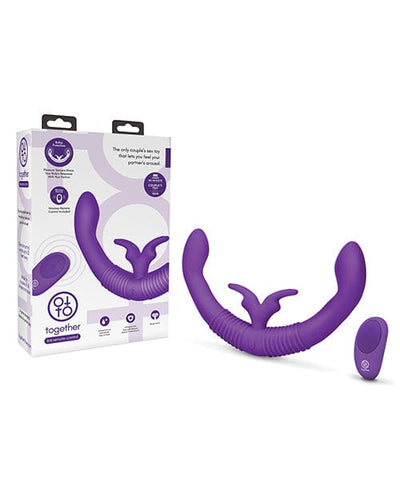
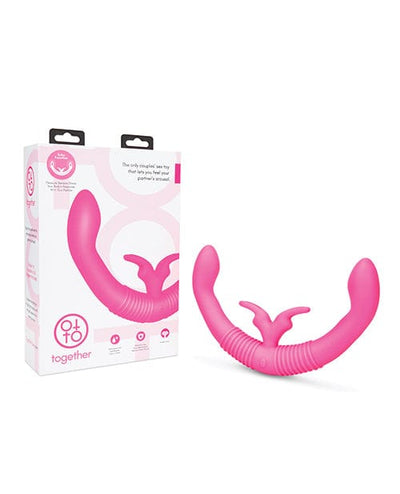
Wearable vibrators are designed to stay positioned on or in the body while allowing some degree of movement. Compare body shape, arm thickness, flexibility, motor position and whether the product is stable without constant hand support.
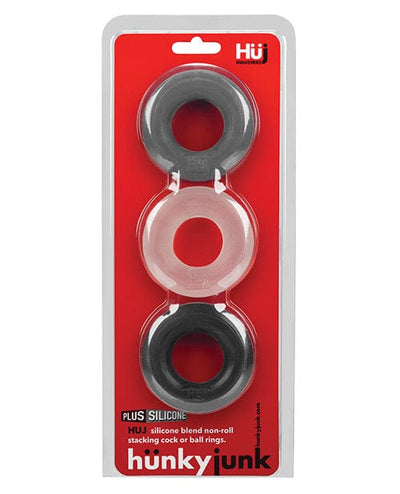
Vibrating cock rings combine fit around the penis with an external motor. Inner diameter, stretch, motor position and wear-time guidance matter more than pattern count. See our Cock Ring Guide for detailed sizing and safety information.
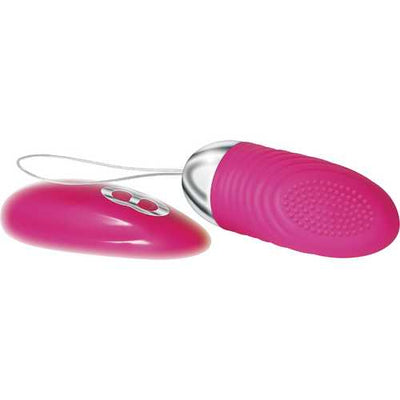
Remote vibrators prioritize control separation. They can be useful when one partner wants to control settings, but the physical fit still comes first. Browse Remote Vibrators if that control style is the main goal.
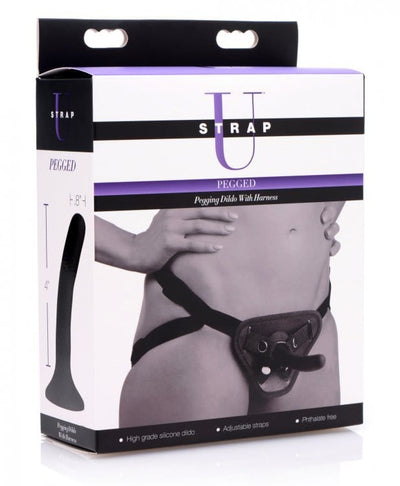
Strap-on systems are modular. Harness fit, O-ring compatibility, dildo base shape and attachment dimensions all need to match. See our Strap-On Beginner Guide for the full compatibility checklist.
Couples kits package multiple products together. Their value depends on whether the included items solve different useful functions for you, not on the total number of pieces.
When a product touches two people, material and cleaning become more important because body fluids can be transferred between users. Planned Parenthood advises cleaning shared sex toys before they touch another person and using condoms or barriers where practical. It also distinguishes non-porous materials such as 100% silicone, hard plastic, stainless steel, aluminum and break-resistant glass from porous materials such as TPE, TPR, PVC, vinyl, elastomer and some silicone blends.
Non-porous materials are generally easier to clean thoroughly. Porous materials can still be used, but they deserve more careful hygiene, and a barrier may be especially useful when products are shared.
Material also affects firmness. A soft silicone wearable toy may flex with movement, while a rigid plastic component holds its geometry. That can change how well the toy stays positioned during partner use. Do not compare dimensions without also considering how flexible the product is.
Source: Planned Parenthood: Sex Toys.
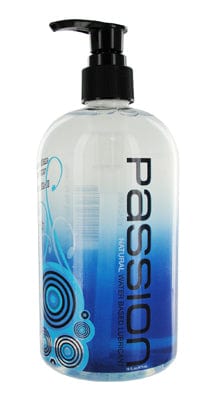
Lubricant can reduce friction and make shared use more comfortable, but the correct type depends on both the toy material and any condoms or barriers being used. Water-based lubricant is the broadest default because it works with most toy materials and condoms and is easy to clean.
Silicone-based lubricant lasts longer but may damage some silicone toys. Oil-based lubricant can weaken latex condoms. If the toy and barrier system are being used together, check both compatibility rules rather than considering them separately.
For anal use, adequate lubricant is especially important because the anus does not self-lubricate. Planned Parenthood specifically recommends plenty of lubricant with anal toys and a secure flared base or retrieval feature for anything inserted anally.
Browse our Lubricants Collection for current options.
Shared use changes the hygiene routine. Planned Parenthood recommends washing toys with mild soap and water when appropriate before they touch another person’s genitals. Condoms can also be used on many toys, but the condom should be changed before the toy touches another person or moves from one body opening to another.
Never move a toy directly from anus to vagina without washing it or changing the barrier first. Planned Parenthood warns that transferring anal bacteria this way can contribute to vaginitis and other infections.
Powered toys need an extra layer of care. Check the actual water-resistance rating before rinsing the product, and remember that a waterproof toy does not necessarily mean the remote, charging cable or battery compartment is waterproof. Dry charging contacts completely before reconnecting power.
For the complete material-by-material process, see How to Clean and Store Sex Toys.
Products used by two people often fail in practice for very ordinary reasons: they take too long to set up, are difficult to recharge, shift out of position, require a phone app neither partner likes, or are awkward to clean after use. These are not minor details; they determine whether the product is likely to be used more than once.
Before buying, ask how many separate parts are involved, whether the charger is proprietary, whether a remote needs batteries, whether an app account is required, how long the product takes to clean and dry, and whether the storage case is large enough for all accessories. A simpler product that fits your routine may be more useful than a more advanced product with features you rarely use.
Noise can also matter. Manufacturers often use vague terms such as “quiet” or “whisper quiet,” but those descriptions are not standardized unless actual sound measurements are provided. If discretion matters, powered complexity should be treated as a tradeoff rather than an automatic upgrade.
| Design | What to compare first | Common tradeoff |
|---|---|---|
| Wearable vibrator | Shape, thickness, stability, motor position | Can shift during movement |
| Remote vibrator | Physical fit, control type, range/pairing | More setup and battery dependence |
| Vibrating cock ring | Inner diameter, stretch, motor position | Fit and wear-time limits |
| Strap-on | Harness fit, mount, O-ring compatibility | More components to match |
| Couples kit | Actual useful components | Piece count can hide low-value items |
The table is not a ranking. It shows which specifications deserve the most attention in each design category.
A good shared-use shortlist can be built in five steps. First, choose the product format you actually want. Second, verify the physical dimensions and adjustment range. Third, check who can access the controls and how quickly the toy can be stopped. Fourth, confirm material, lubricant and barrier compatibility. Fifth, compare cleaning, charging and storage.
That sequence keeps the decision grounded in practical use. It also prevents advanced features from distracting from basic compatibility. A toy with an excellent app, dozens of vibration patterns and premium packaging is still a poor match if it does not fit comfortably, stay positioned or clean easily.
If two products survive those five checks, then compare secondary preferences such as motor pattern count, color, packaging or included accessories.
One common mistake is buying by the “couples” label rather than the actual geometry. Another is choosing a powered product by vibration count before checking fit. Couples also sometimes underestimate cleaning and assume a product can move between partners or body areas without a fresh barrier or washing.
App-controlled products create their own mistakes: buying before checking phone compatibility, assuming Bluetooth means true long-distance control, or sharing the primary account password instead of using partner-access features.
Finally, do not treat “more features” as the same thing as “better for two people.” Shared-use products work best when both people understand the fit, controls and cleaning routine and can stop or change the product easily.
This page owns the search intent “how to compare shared-use sex toy designs and features.” It supports the Couples Toys Collection. The Sex Toys for Couples article owns the broader first-toy decision. The remote-control article owns long-distance technology. The cock-ring and strap-on guides own their respective fit systems. This keeps each page focused instead of repeating the same beginner advice across multiple URLs.
It should fit the intended use, remain stable during movement, have controls both partners understand, use materials that can be cleaned appropriately, and work with the lubricant or barriers you plan to use.
No. Remote control can be useful, but it also adds batteries, pairing and sometimes app setup. Physical fit and ease of use still matter more than the control method.
Yes, but clean it before it touches another person and use a fresh condom or barrier where practical. Change the barrier between users or body areas. Planned Parenthood specifically recommends these precautions for shared toys.
Non-porous materials are generally easier to clean thoroughly, which can simplify shared use. Porous materials require more careful hygiene and may be better treated as personal-use items.
Water-based lubricant is the broadest default because it is compatible with most toy materials and condoms. Always check the specific product and barrier instructions.
Look at total dimensions, thickness, flexibility, motor position, how the product stays in place, control access, charging and cleaning requirements.
Use the Couples Toys Collection for the main category. If you want long-distance control, move into Remote Vibrators; for rings or harness systems, use their dedicated collections and guides.