Shopping cart
You have no items in your shopping cart.
Quick answer: Evaluate a purpose-built anal toy by its secure external base, maximum diameter, insertable length, material, surface condition, lubricant compatibility, and cleaning instructions. The guide below explains each check and common shopping mistakes.
A product's suitability is determined by its entire design, not one attractive feature. Look for an explicit intended-use statement, a secure external base, published measurements, identifiable materials, and instructions for cleaning and maintenance. A listing that says beginner-friendly without disclosing dimensions is less informative than a listing that provides a detailed specification diagram. When information is missing, contact the manufacturer rather than guessing from photography.
The rectum can draw objects inward, which makes a purpose-built flared base or appropriate retrieval structure an essential consideration. The external portion should be designed to prevent the product from entering completely. A narrow decorative handle, loose string, or improvised attachment should not automatically be considered a substitute. Inspect the junction between the body and base for weakness or damage. Products not designed for anal use may lack the necessary retention features and should not be substituted.
The most useful measurements include maximum insertable diameter, usable length, and the profile of the product from tip to base. Overall length can include non-insertable parts such as a handle or charging section. A tapered product can have a narrow tip but a considerably wider body, so tip diameter alone is insufficient. Shape changes how a given measurement should be interpreted. See the Anal Toy Size Guide for a detailed explanation.
Retailers use terms such as mini, standard, beginner, and advanced inconsistently. The same label can represent very different measurements across brands. Rather than treating a larger number as a goal, compare each item's actual specifications and intended use. Comfort and suitability differ between individuals, and there is no universal size progression. Do not force use or continue through discomfort simply to meet a marketing-defined category.
Silicone products can differ in firmness depending on formulation and internal construction. Stainless steel and glass products are typically rigid and require careful attention to dimensions and surface condition. TPE, TPR, and mixed-material products can have different cleaning and storage restrictions. Material alone does not establish quality. The contact surface, coating, seams, and any rigid core are important. Read our Material Comparison Guide before comparing products.
Before each use, examine the surface for cracks, chips, burrs, peeling coatings, loose attachments, or tears. Pay attention to the base, narrow transitions, and seams. Glass requires particular care around chips and impact damage, while soft products may show deterioration or unexpected tackiness. Powered models also need intact controls and charging connections. A product that is damaged should be taken out of service, even if it can still be washed.
Appropriate lubricant reduces friction, but does not correct an unsuitable shape, damaged surface, or inadequate base. Check the product manufacturer's lubricant instructions and the compatibility of any barrier protection. Water-based formulas are widely used with many toy materials, but restrictions vary by model and formulation. Avoid household substitutes and products that cause irritation. Compare ingredients and material compatibility in our Anal Lubricant Buying Guide.
Never force a product or continue despite pain, numbness, bleeding, swelling, or unusual discomfort. Stop immediately when warning signs occur. Significant or persistent symptoms require medical assessment. Products marketed as advanced are not necessarily better, and size progression is not a competition. Avoid numbing agents intended to conceal pain signals, which can make it harder to recognize injury.
People recovering from surgery or injury, experiencing unexplained bleeding, or managing a relevant medical condition should seek individualized advice from a qualified healthcare professional. General retail guidance cannot assess a person's specific health circumstances. Severe pain, substantial bleeding, faintness, fever, or a retained object warrants prompt medical attention. If an object becomes retained, seek urgent care rather than attempting forceful or improvised removal.
Follow the manufacturer's cleaning procedure for the exact product, including any restrictions on water exposure, heat, and disinfectants. Clean before and after use as directed. A product used anally should not be moved to another body area without appropriate cleaning and a fresh barrier where indicated. Sharing products also requires attention to infection prevention. See our Material-by-Material Cleaning Guide for practical care details.
Planned Parenthood and the CDC discuss cleaning and barriers as ways to reduce infection transmission when toys are shared. Use a new appropriate barrier between people or body areas when indicated, and clean according to the product instructions. A barrier does not compensate for cracks, rough edges, or an unsafe base. Check lubricant and barrier compatibility because certain formulas can damage some barrier materials.
An external silicone surface does not guarantee that a vibrating product is waterproof. Read the precise model's water-resistance statement, charging guidance, and cleaning restrictions. Some products have removable washable components but electrical housings that must only be wiped. Disconnect power before cleaning and allow charging contacts to dry fully. Stop using devices with swollen batteries, damaged cables, overheating, or unpredictable operation.
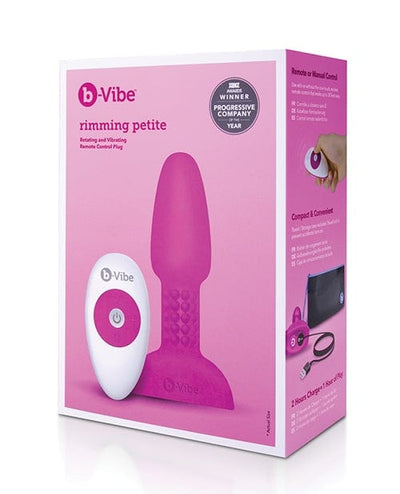
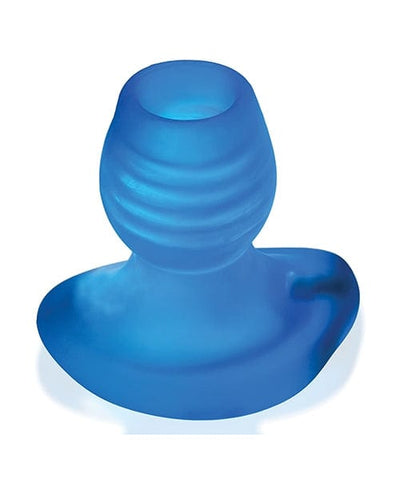
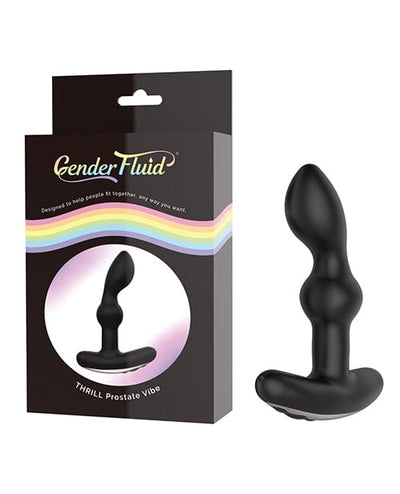
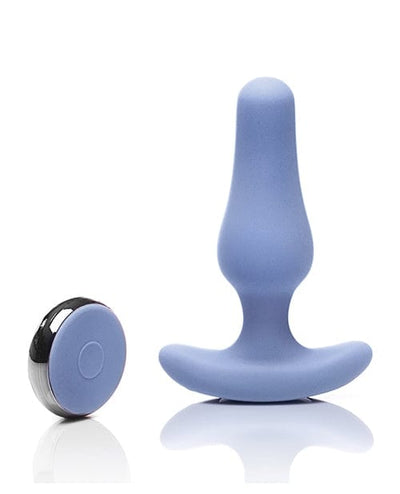
Butt plugs often have a wider body, narrower neck, and external base. Bead designs require sound connectors and accessible cleaning surfaces. Slim probes may have different length and rigidity considerations. Powered models introduce additional controls and electrical maintenance. Do not compare unrelated categories using one number alone. Browse Butt Plugs, Anal Beads, and Anal Vibrators for design-specific product details.
Frequent mistakes include selecting a product based only on photographs, confusing overall and usable length, relying on vague size labels, ignoring base design, and assuming every product with a silicone exterior can be submerged. Other mistakes include using unapproved cleaners, overlooking surface damage, and treating a higher price as proof of safety. The strongest product listings provide transparent measurements, manufacturer documentation, and clear care instructions.
Use this table to evaluate listings and inspect products.
| Area | Verify | Potential concern |
|---|---|---|
| Intended use | Purpose-built product | Improvised substitute |
| External base | Secure flared or approved retrieval design | No reliable stop |
| Dimensions | Maximum diameter and usable length | Only small/large labels |
| Material | Identified contact surface and construction | Unclear material or coating |
| Condition | Intact, smooth, stable | Chips, tears, loose parts |
| Lubricant | Approved formula and barrier compatibility | Unknown compatibility |
| Hygiene | Documented cleaning and drying | Damaged or inaccessible surfaces |
| Electronics | Approved charger and water rating | Damaged housing or overheating |
Reviews can help identify whether product dimensions are accurately represented, how easy the controls are to operate, and whether cleaning instructions are clear. But an individual's experience cannot establish universal safety. Look for consistent factual details and distinguish firsthand observations from unsupported medical claims. Give greater weight to manufacturer specifications and reliable health guidance than to dramatic anecdotes or promotional rankings.
Inspect the product after cleaning and before storage. Dry it fully, follow material separation instructions, and protect glass and coated surfaces from impact. For rechargeable products, follow the maker's battery storage instructions. Replace items with cracks, chipped surfaces, unstable bases, significant deformation, or electrical damage. Do not attempt to restore a contact surface with glue, tape, abrasive polishing, or household chemicals.
Can I identify the intended use? Is the external base designed to remain accessible? Are maximum diameter and insertable length provided? Is the contact material disclosed? Does the manufacturer explain lubricant compatibility and cleaning? Are replacement or warranty terms available? For powered products, is the water rating explicit? If the answer to several of these questions is no, seek more information before choosing the item.
It is designed to prevent the entire product from becoming retained. A secure external stop is an essential design feature for anal products.
No. Compare the maximum insertable diameter, usable length, taper, and construction.
No. Firmness varies, and some silicone surfaces cover rigid cores.
No. Lubricant can reduce friction but cannot correct an unsafe design or unsuitable dimensions.
No. Follow the exact model's water-resistance and cleaning instructions.
Stop using the product and contact the seller or manufacturer about replacement.
Seek prompt care for severe or persistent symptoms, substantial bleeding, or a retained object.
Sharing requires suitable cleaning, barriers where appropriate, and attention to cross-contamination.
For broader sexual-health guidance, consult Planned Parenthood's information on sex toys and the CDC STI Treatment Guidelines. Follow manufacturer documentation for product-specific instructions. This article provides general consumer safety information, not individual medical advice.
A practical safety decision starts with the intended design, a secure external base, actual measurements, intact materials, and clear care instructions. Compare products using documented specifications rather than marketing labels. Stop when warning signs occur and seek medical assistance when necessary. Explore our Anal Toys Collection for category comparisons.