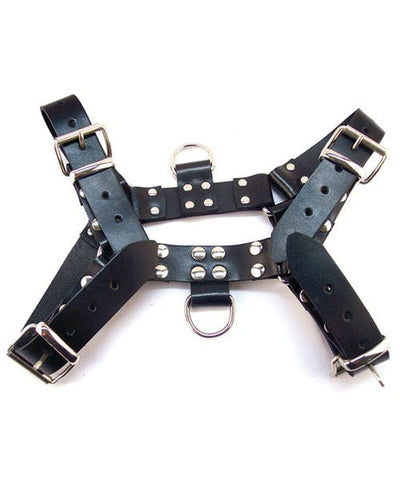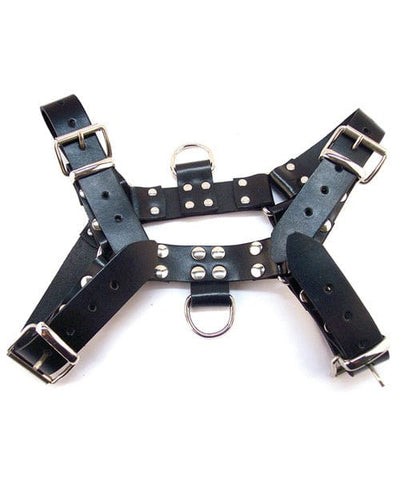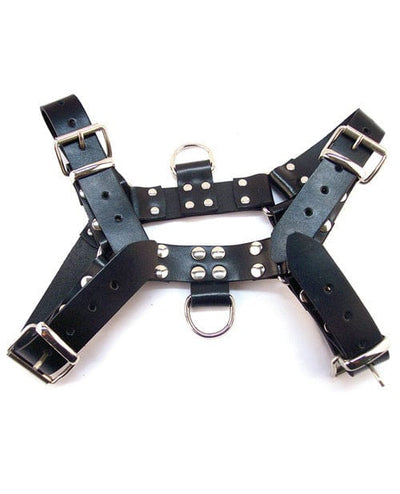
Shopping cart
You have no items in your shopping cart.
Quick answer: A beginner strap-on is easiest to choose when you treat it as a system, not a single product. The harness, attachment ring, dildo base, shaft diameter, waist/hip adjustment range and closure hardware all have to work together. Start by choosing the harness style, verify the adjustment range against your body measurements, confirm the O-ring or mount size, then choose a compatible dildo by base shape, shaft diameter, insertable length, firmness and material.
This guide focuses on fit, compatibility and first setup. It does not duplicate our general dildo guide or the separate harness-fit article. The goal here is to help you understand how the parts connect, what measurements matter, and how to avoid buying components that look compatible but are not.
Browse the main Strap-Ons & Harnesses Collection while using this guide as a compatibility checklist.
Most strap-on systems can be understood as three separate components:
A harness can fit your body perfectly and still be incompatible with the dildo you want. Likewise, a dildo can have the right dimensions but the wrong base for the harness.
Color, realism, texture and accessories are secondary until you know the three parts will physically work together.
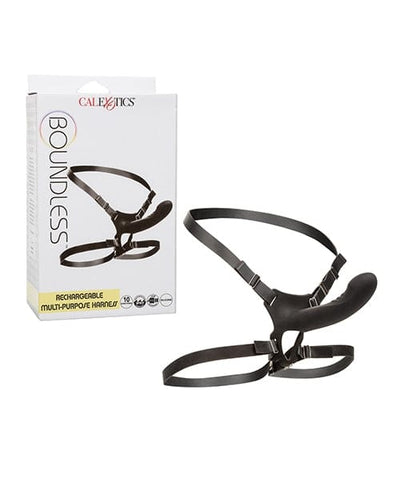
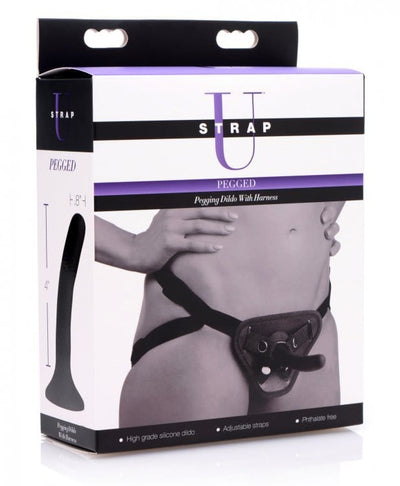
Adjustable strap harnesses use webbing, elastic or other straps around the waist and hips.
Check buckle placement, strap width, padding, stitching, adjustment range and whether the harness shifts when the attachment is mounted.
These resemble briefs, shorts or other garments with a reinforced opening or internal support system.
They can feel simpler because there are fewer loose straps to configure.
Garment-style sizing may be less flexible than an adjustable strap harness. Use actual waist/hip measurements rather than assuming your usual clothing size will translate directly.
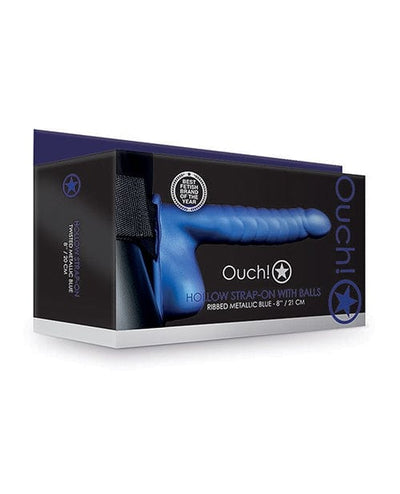
Some harnesses use an integrated attachment rather than a removable O-ring.
Included components are designed to work together, so the compatibility question is simpler.
You may have fewer options for swapping in third-party attachments later.
Harness fit is more reliable when you compare actual body measurements with the manufacturer’s adjustment range.
That phrase does not tell you the minimum and maximum usable circumference.
Some designs sit at the natural waist, others lower on the hips. Use the position shown in the manufacturer’s instructions when checking fit.
Two harnesses with the same adjustment range can feel very different if one uses narrow straps and the other uses wider webbing.
Spread pressure across a larger area and may reduce concentrated pressure.
Can feel lighter and less bulky, but may create more localized pressure if over-tightened.
If a harness needs excessive tension to stop shifting, either the adjustment is wrong or the harness shape may not suit the intended setup.
Many strap-on harnesses use a circular O-ring to hold the dildo shaft just above the base.
A fixed ring has one internal diameter. The dildo shaft must fit through that opening while the base remains too wide to pass through.
Some harnesses include several ring sizes or allow rings to be swapped.
Stretchy rings can accommodate a range of shaft diameters, but the actual usable range still depends on the material and manufacturer specification.
You need to compare shaft diameter near the base with the O-ring’s internal diameter.
A harness-compatible dildo typically has a flared or plate-like base that is wider than the shaft.
Some bases are too thick, too rigid, too wide or shaped awkwardly for the harness plate. Check the harness and attachment specifications together.
The base determines how the dildo seats against the harness.
Usually the easiest style for standard O-ring harnesses because the shaft passes through while the base remains behind the ring.
Some suction dildos also work in O-ring harnesses, but the suction base can be thicker or bulkier than a standard harness base.
Some products use proprietary mounts. Do not assume they will work with standard O-ring systems.
For general dildo sizing and materials, see How to Choose a Dildo for Beginners.
Harness size and dildo size are independent decisions.
Do not use overall toy length if the base accounts for part of the measurement.
Width often has a larger effect on fit than total length.
That measurement affects O-ring compatibility even if the widest part of the toy is elsewhere.
A very soft dildo and a rigid dildo behave differently in the same harness.
Move and bend more, which can reduce directional control.
Often provide more predictable positioning while still having some flexibility.
Hold their shape but transfer force more directly.
Two dildos with the same diameter can feel and handle differently if one bends easily and the other does not.
A strap-on system may combine fabric, elastic, leather-like materials, plastic hardware, metal rings and silicone or other dildo materials.
Check whether straps or garments are washable, wipe-clean only, or require special care.
Planned Parenthood lists 100% silicone, hard plastic, stainless steel, aluminum and break-resistant glass among common non-porous sex-toy materials. TPE, TPR, PVC, vinyl and some blends may be porous and require more careful hygiene.
The dildo may be washable under running water while the harness itself may need a different cleaning method.
Source: Planned Parenthood: Sex Toys.
This is one of the biggest beginner decisions.
The harness and attachment are sold together and are intended to be compatible.
You avoid many ring-size and base-compatibility questions on the first purchase.
You select the harness and attachment separately.
You gain more flexibility to change size, firmness, material or shape later.
Do the mechanical setup ahead of time rather than learning the system during use.
Check straps, buckles, rings, stitching, snaps and attachment surfaces for damage.
Learn where the adjustment points are and how quickly they can be loosened.
Confirm that it is seated correctly and cannot rotate or detach unexpectedly.
Make sure the base remains securely behind the ring or plate.
The added weight of the attachment can change how the harness sits.
Standing, sitting or shifting position can reveal looseness that was not obvious while standing still.
Shifting can come from several causes.
The straps may not provide enough support.
A large or heavy dildo can pull the harness forward.
The shaft may move excessively inside the ring.
The base may not seat securely against the harness plate.
Excessive strap tension can create discomfort without solving incompatibility.
A beginner harness should be easy to loosen or remove.
Some harnesses become harder to adjust once worn.
Use the product as designed rather than adding closures that make removal difficult.
Lubricant can reduce friction and improve comfort. Choose it based on the attachment material and intended use.
Planned Parenthood describes water-based lubricant as a safe general choice with sex toys and condoms.
Some silicone lubricants can damage some silicone toys, so follow the exact manufacturer guidance.
Planned Parenthood notes that the anus does not self-lubricate and recommends plenty of lubricant for anal toy use.
Browse our Lubricants Collection.
Strap-on attachments can transfer body fluids between partners.
Planned Parenthood and CDC recommend condoms on shared sex toys where possible and changing the condom before the toy touches another person or another body area.
Follow the manufacturer’s instructions for the exact material.
Wash the toy or change the condom/barrier first. Planned Parenthood warns that transferring bacteria this way can contribute to infection.
The harness and attachment may need different care.
Follow washing instructions and dry straps completely before storage.
Use the manufacturer-approved cleaning method rather than assuming it can be soaked.
Dry buckles, rings and clips thoroughly and inspect for corrosion, cracking or deformation.
Removing the dildo and ring makes it easier to inspect seams and hardware.
| Component | What to measure/check | Why it matters |
|---|---|---|
| Harness | Waist/hip adjustment range | Body fit and stability |
| Straps | Width, padding, hardware | Pressure and comfort |
| O-ring | Internal diameter | Attachment compatibility |
| Dildo shaft | Diameter near base | Must fit ring securely |
| Dildo base | Width, thickness, shape | Must remain behind mount |
| Attachment | Insertable length + max diameter | Actual product size |
| Material | Exact material listing | Firmness, care, lube compatibility |
| Closure | Buckles, snaps, sliders | Adjustment and quick release |
Choose a complete kit where the harness and attachment are sold together.
Choose an adjustable harness with interchangeable O-rings and clearly published ring sizes.
Measure the shaft diameter near the base and inspect the base shape before choosing the harness.
Use the ring diameter and mount style as your first filter when shopping for attachments.
Compatibility should be verified before purchase whenever specifications are available.
Harness shape, hip position and strap layout matter too.
Base thickness and shape can interfere with the harness plate or ring.
This is one of the most important O-ring compatibility measurements.
The added weight can cause shifting or sagging.
Fix the mechanical fit instead of creating excessive body pressure.
Use a new barrier when the toy changes person or body opening.
If the attachment will be used anally, add anal-specific safety checks.
The anus does not self-lubricate, so lubricant is essential for reducing friction.
The harness does not replace the need for appropriate product design and compatibility.
Do not treat pain as something a beginner needs to push through.
This article owns the search intent “strap-on beginner fit, compatibility and first setup.” It links directly to the Strap-Ons & Harnesses Collection. The Dildo Beginner Guide owns dildo size/material selection, while more specialized strap-on pages can focus on harness-only fit or material comparisons. This keeps the cluster from repeating the same content on multiple URLs.
We prioritize measurable fit and compatibility over vague “beginner-friendly” claims. For product selection, we compare waist/hip range, strap construction, O-ring diameter, shaft diameter near the base, attachment base shape, insertable dimensions, firmness and cleaning requirements. For shared-use hygiene, we rely on Planned Parenthood and CDC guidance recommending cleaning and fresh barriers when sex toys are shared between people or body areas.
Last updated: October 2, 2026.
A complete kit can reduce compatibility problems because the included harness and attachment are designed to work together. An adjustable O-ring harness is more flexible if you want to swap attachments later.
Compare the dildo shaft diameter near the base with the harness O-ring diameter or mount specifications. The base must remain securely behind the ring or plate.
No. Base width, thickness and shape can make a dildo incompatible even when the shaft fits through the ring.
The manufacturer’s waist/hip adjustment range is the starting point. Strap width, closure layout and where the harness sits also affect fit.
No. It should be secure enough to control the attachment without creating painful pressure. If it shifts, check compatibility and adjustment rather than simply tightening harder.
Yes, but clean it between users and use a fresh condom or barrier when the toy changes partners or body areas. Planned Parenthood and CDC both recommend these precautions for shared sex toys.
Water-based lubricant is broadly compatible with many toy materials. Check the manufacturer before using silicone lubricant on silicone attachments.
Start with the Strap-Ons & Harnesses Collection. If you are choosing a separate attachment, use the Dildos & Dongs Collection only after confirming harness compatibility.