Shopping cart
You have no items in your shopping cart.
Updated October 2026. An educational product-safety checklist focused on retrieval-base design, construction, inspection, and care. Always follow the manufacturer's instructions.
Safety is not a decorative claim printed on packaging. A product intended for anal use needs a clearly identifiable external retrieval feature, appropriate construction, an intact surface and manufacturer instructions. A shopper should be able to verify these basics before considering color, finish, price or optional technology.
This guide focuses on evaluating design safeguards and recognizing warning signs in listings. It is not a personalized medical recommendation. The first question is whether an item is explicitly designed for its advertised purpose. Objects intended for another category should never be treated as equivalent simply because their shape looks similar.
A good listing shows the complete product, including the base, from multiple angles. It identifies materials, dimensions and cleaning requirements. If essential details are missing, asking the manufacturer is more useful than guessing from photographs.
An external flared base or another purpose-designed retrieval feature helps prevent an item from moving completely inside the body. This is not an optional accessory. The base should be integrated into the product design and visible in photographs and specifications. A narrow decorative loop is not automatically a suitable substitute.
Compare the shape of the base as well as its published dimensions. Its relationship to the main body matters more than an isolated measurement. The manufacturer should clearly state that the item is intended for anal use and provide instructions for safe handling.
If an object becomes retained internally, seek prompt medical attention. Do not attempt retrieval using household tools or forceful improvised methods. The potential consequences make reliable base design one of the most important checks in this product category.
In a product comparison, note whether the crosspiece is clearly visible in the primary image and whether its width is provided in the specifications. The marketing term T-bar is descriptive, not a formal performance rating. A photograph taken at an angle can conceal thickness or make a narrow crosspiece appear broader than it is. A second photograph from below is therefore valuable.
Also examine how the base joins the main body. A smooth, intact transition is easier to inspect than a poorly photographed seam. If the connection appears damaged, detached or unusually rough, do not rely on a seller's generic assurances. Request documentation or choose a product with clearer construction information.
A T-bar base generally uses a crosswise shape at the end of the narrower neck. Its design can differ in width, thickness, edge contour and rigidity. A product photograph should make the crosspiece easy to identify, and ideally the manufacturer should publish dimensions rather than relying on the phrase T-bar alone.
Look for smooth transitions and an intact connection between the neck and crosspiece. A design that appears extremely narrow in one photograph deserves further inspection from other angles. The presence of a T-shaped silhouette by itself is not a guarantee of appropriate construction.
Avoid treating a base shape as a universal ranking. The relevant questions are whether the manufacturer documents the retrieval feature, whether the item is purpose-built, and whether the materials and construction are appropriate for the stated product category.
A circular outline can describe several different constructions: a relatively flat disk, a thicker rounded flange or a flexible rim. These differences may not be obvious in catalog thumbnails. Side-view photography and measurements help explain what the manufacturer means by round. The exact design should be assessed against the item's stated purpose.
When comparing round and T-style bases, avoid turning the decision into a simplistic best-versus-worst ranking. Neither silhouette by itself certifies product quality. Documented dimensions, intact materials and manufacturer instructions provide a more reliable basis for evaluation than shape names alone.
Round bases can resemble disks, broad circles or other flattened shapes. Their diameter and thickness vary between manufacturers, and some are more flexible than others. A round outline should not be confused with a complete safety specification: the actual dimensions and connection to the neck still matter.
Check whether the photographs show the base face-on and from the side. A single image may make a thin disk look much larger than it is or hide the relationship between the base and body. When specifications are absent, request a dimensioned diagram.
Like other designs, a round base should be evaluated as part of the complete product. An intact surface, clear intended-use labeling and manufacturer guidance are necessary alongside the base geometry.
Specialty base names are often used for branding, and the same word can refer to different outlines across manufacturers. A buyer should therefore translate marketing language into observable features: the width of the external portion, its connection to the body, the presence of edges or seams, and the information supplied by the manufacturer.
Where the base incorporates decorative components, distinguish those from the functional retrieval structure. Do not infer that a flexible ornament or narrow loop provides the same safeguard as a properly designed external base. A manufacturer that cannot explain its design should not be treated as having established the product's suitability.
Anchor-like and sculpted bases introduce additional curves, arms or contours. These may be described with marketing names that are not standardized across brands. A label such as anchor does not tell the buyer the width, thickness or precise outline of the external retrieval feature.
Inspect the product from several angles and compare the design with its technical drawing. A decorative extension may look substantial in one photograph but provide little information about the functional base. Verify the manufacturer's description rather than relying on the category label.
Unusual designs deserve additional scrutiny because they are harder to compare using a single number. The appropriate shopping standard remains the same: purpose-built construction, a clearly documented retrieval feature, intact materials and readable care instructions.
Maximum body diameter, neck dimensions, usable length and base width describe different parts of a product. A listing that gives only total length cannot establish the dimensions of the external base. Likewise, a product described as small may still lack the design safeguards needed for its intended category.
The exact geometry also matters. A smooth tapered design and a stepped design may share a maximum width but have different contours. This article does not attempt to prescribe individual sizing. Instead, it encourages shoppers to use consistent manufacturer measurements when comparing items.
For a deeper explanation of the terminology, see our Butt Plug Measurements Guide. Keeping detailed dimensional calculations in that separate article helps this page stay focused on safety and construction.
Material names alone are not proof of safety. Silicone products may contain rigid internal components, while metal-looking products can have coatings and glass designs can vary in finish. The exact construction and the manufacturer's care instructions matter. Inspect surfaces for cracks, chips, tears, peeling coatings or rough seams.
A damaged surface may be difficult to clean and can create additional risks. Stop using a product that shows signs of deterioration. For rigid glass products, even a small chip is a reason to retire the item. For coated products, flaking or exposed underlying material warrants caution.
Vague claims such as premium material or body-friendly formula should not replace a clear material specification. Choose sellers and manufacturers that identify what the product is made from and how it should be maintained.
Storage deserves attention alongside cleaning. Follow instructions on drying and keeping materials away from conditions that could damage the surface. Electronic models may need separate treatment of charging contacts, and mixed-material designs may have care restrictions that differ from those of a simple solid item.
Keep the original instructions when possible. If the care label is lost, locate the exact model's documentation rather than applying a generic routine from another product. When a finish changes, a seam separates or a component becomes difficult to clean, stop using the item until its condition can be evaluated.
Lubricant compatibility depends on the product's material and construction. Water-based formulas are commonly used with many silicone products, but the manufacturer's instructions should take priority. Some silicone-based lubricants may be incompatible with particular silicone surfaces. Do not assume that every formula is suitable for every material.
Cleaning instructions also differ. Non-powered waterproof products may permit a different routine from rechargeable designs with ports or seams. Water-resistant is not the same as submersible. Avoid using boiling water, harsh disinfectants or other treatments unless the manufacturer explicitly permits them.
After cleaning, dry the item as directed and store it in appropriate conditions. If residue remains trapped in a seam or a surface cannot be adequately cleaned, reconsider continued use. Good maintenance is part of product safety, not merely cosmetic upkeep.
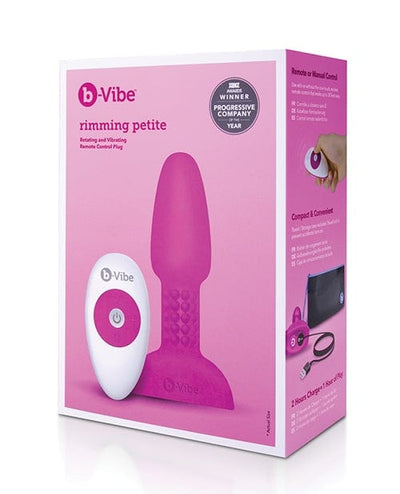
A vibrating or remote-controlled model adds batteries, charging contacts, seals and controls to the basic product design. Those components create additional questions for a shopper. Check the manufacturer's water-resistance information, charging instructions, included accessories and operating controls.
Examine whether the charging port and any seams are accessible for the cleaning routine described by the manufacturer. An app-controlled device may also require software, pairing and privacy considerations. A feature-rich model is not automatically a better or safer choice.
If electronics fail, the housing cracks or the surface becomes damaged, stop using the product and consult the manufacturer. Do not improvise repairs to components that are intended to remain sealed.
One useful test is to ask whether a customer could identify the exact model from the listing alone. A clear product title, manufacturer name and variant information help ensure that the dimensions and warnings refer to the item being purchased. Generic descriptions that combine several products can accidentally misstate base design or care requirements.
Another warning sign is inconsistent photography. If one image shows a different base or control layout from another, the gallery may contain pictures of multiple generations or variants. Ask the retailer which version is being supplied. Safety-related details should never depend on guesswork.
Be cautious when a listing hides the base, lacks a clear material description, omits meaningful measurements or uses the same generic text across unrelated products. The absence of documentation is especially concerning when an item is promoted for a specific purpose that requires distinct design safeguards.
A seller should be able to identify the manufacturer, intended use, care method and relevant dimensions. Unsupported claims such as universally safe or guaranteed comfortable do not replace technical information. Reviews may describe customer experiences but cannot validate the design for every person.
If the photographs and specifications disagree, ask for clarification before ordering. A product with complete documentation may be a more dependable choice than a visually appealing item whose essential features remain uncertain.
Before use, inspect the entire item, especially the external base, its connection to the neck, surface finish and any electronic seams. Follow the manufacturer's instructions and avoid using products that are damaged or whose intended purpose is unclear. Never substitute a household object that lacks an appropriate retrieval design.
Pain, bleeding, numbness, persistent irritation or difficulty removing an item are reasons to stop and seek appropriate medical advice. A retained object requires prompt professional assistance. Individual health conditions or recent medical procedures may require consultation with a qualified healthcare professional before using these products.
No blog can provide medical clearance for an individual. This checklist is intended to improve consumer understanding of product construction and warning signs, not to override manufacturer instructions or professional advice.
Create a shortlist of two or three products and compare the same fields: intended category, manufacturer, base type, base dimensions, material, maximum body diameter, usable length, care method and warranty. Record the source of each claim. Missing data should be marked unknown rather than estimated.
Next, inspect the product photographs for a clear view of the external base and any seams or electronic housings. Review the care instructions and return policy before purchasing. The best-documented product is often easier to evaluate than one that relies on vague superlatives.
For an overview of shopping choices beyond construction safeguards, read our Butt Plugs for Beginners guide. This article remains dedicated to retrieval design, inspection and product safety.
| Check | What to verify |
|---|---|
| Intended use | Manufacturer explicitly identifies the product category |
| Retrieval base | Purpose-designed external feature shown clearly |
| Dimensions | Base, body, neck and length documented |
| Material | Clearly identified and intact |
| Care | Cleaning and lubricant compatibility instructions available |
| Electronics | Charging and water-resistance guidance provided |
Products intended for anal use need an appropriate external retrieval feature designed to prevent complete internal retention.
No universal ranking applies. Evaluate the complete design, dimensions and manufacturer documentation.
No. Do not assume a decorative component provides an appropriate safety feature.
Stop using it and consult the manufacturer about replacement or disposal.
Seek prompt medical assistance rather than attempting improvised removal.
Look beyond a product’s appearance. An appropriate retrieval base, clear intended-use labeling, intact construction, reliable measurements and documented care instructions are central to an informed purchase. Browse our Butt Plugs collection to review available models.