Shopping cart
You have no items in your shopping cart.
Updated October 2026. This educational buying guide explains how to evaluate plug-style products using verifiable specifications, manufacturer instructions and clear comparison criteria.
Buying an unfamiliar product is easier when its specifications are clear. Product names and marketing labels can suggest a general category, but they rarely tell the whole story. A practical comparison begins with the manufacturer’s dimension chart, material description, component list, cleaning instructions and photographs from several angles.
The word beginner is not a standardized technical specification. One manufacturer may use it to describe a compact model, while another uses it for a simple control system or a smooth finish. Rather than treating the label as a guarantee, compare the actual characteristics of the products under consideration.
This guide focuses on shopping literacy: identifying the differences between designs, reading listings accurately, recognizing missing information and deciding which optional features are worth paying for.
A typical plug-style product consists of a tapered upper section, a wider body, a narrower neck and a broad external base. Each component has a different design purpose, and the proportions vary between manufacturers. An image may show the silhouette but not the dimensions that determine how two products compare.
Some products have smooth continuous contours, while others have stepped or decorative profiles. Texture, surface finish and the transition between sections are important characteristics to inspect. Look for close-up images of joints, seams and transitions rather than relying exclusively on the main catalog photograph.
A clearly identified external base is an essential feature for products intended for this category. Buyers should verify the intended use and the manufacturer's documentation rather than assuming that any vaguely similar object has the same design safeguards.
A particularly useful habit is to distinguish the advertised product size from the dimensions of the specific variant. A listing may combine several colors or sizes under one title, and its headline dimensions may describe only the default selection. Before purchasing, confirm that the numbers shown belong to the variant actually added to the cart. Where a manufacturer publishes a technical diagram, save or compare that drawing rather than relying on a product image alone.
Measurements also need context. A straight, cylindrical profile and a tapered profile can share a maximum diameter while differing considerably in their overall geometry. That is why a complete specification sheet should describe the shape as well as the headline measurement. Readers who want a deeper explanation can use our dedicated guide to diameter, neck width and insertable length.
Dimensions can appear as total length, usable length, maximum diameter, neck diameter and base width. They are not interchangeable. Total length may include the external base, while a single diameter measurement may describe only the widest section. Product pages should specify exactly what each number measures.
For a circular cross-section, circumference is approximately 3.14 times diameter. Oval and irregular designs need more than one width measurement to describe their shape. Be careful when comparing inches and millimeters, and confirm that both listings use the same reference points.
A side-by-side comparison is more reliable than trying to remember details from multiple tabs. Write down each model’s published measurements and mark missing values as unknown. Do not estimate dimensions from a photograph, and do not treat a generic small, medium or large designation as an industry standard.
The base is a functional design feature, not merely an ornamental finish. Manufacturers use different shapes, including broad rounded and T-style configurations. The important shopping question is whether the product has an appropriate, clearly documented retrieval feature for its intended category.
Photographs should show the base from the front, side and underside. A listing that hides this component or omits relevant dimensions is incomplete. If the manufacturer does not clearly state the intended purpose or provide adequate information, choose a better-documented product.
Consumers should also read product warnings and the maker’s instructions before purchasing. If a product becomes retained or causes injury, seek medical assistance rather than attempting improvised removal.
Construction details matter as much as the name of the material. A silicone-covered electronic model may contain a rigid housing and charging contacts; a metal-looking product may be plated rather than solid metal; and a glass product should be described with enough detail to identify its finish and care requirements. These distinctions affect inspection, cleaning and long-term durability. Avoid treating a single material label as proof that every component has the same properties.
When comparing product value, consider whether the seller identifies the manufacturer and supplies consistent care information. Transparent documentation makes it easier to recognize changes in finish or condition over time. A less expensive product with incomplete material information may be harder to assess than a well-documented alternative, regardless of how similar they look in catalog photographs.
Silicone designs are common because manufacturers can produce them in many shapes and finishes. Some are flexible, while others have firmer structures or internal electronic components. The exact material and construction should be verified in the listing; a broad category label does not describe every surface or component.
Glass and metal products differ in rigidity and weight. Smoothness and surface condition are important considerations for both. Chips, cracks, sharp edges and damaged coatings are reasons not to use an item. The manufacturer should explain how to inspect and maintain the finish.
Material identification matters for cleaning and storage. A product described only as soft plastic, jelly or premium material without further information can be difficult to evaluate. Prefer clear specifications, documented care requirements and credible manufacturer support.
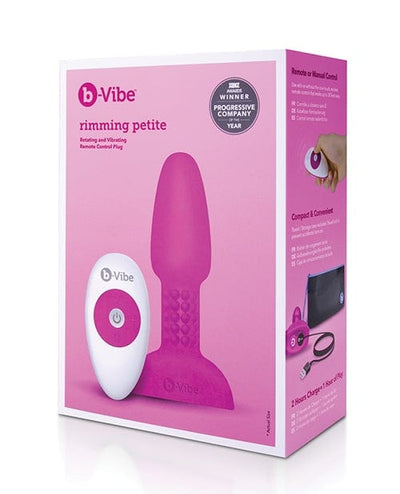
Remote and app-enabled models introduce a second buying decision: the reliability of the control system. Check whether the manufacturer specifies charging time, approximate operating time, connection method and the controls available directly on the product. An app may offer additional settings, but it can also depend on software updates or a compatible phone. Consider whether those requirements suit the buyer's expectations before paying extra for them.
For a rechargeable model, read the instructions on charging and storage rather than assuming the same procedure applies to every battery. Look for clear warranty terms and a way to contact the manufacturer if a charging cable or remote stops working. The ability to maintain and troubleshoot a product is a meaningful part of its long-term value.
A non-powered design is straightforward to evaluate because it has no battery, charging port or control interface. A powered model may add multiple settings, a remote, rechargeable operation or smartphone connectivity. These features increase the number of specifications a shopper should check.
For electronic models, review charging requirements, the location of controls, the manufacturer's water-resistance claims and cleaning instructions. Water-resistant and submersible are not equivalent descriptions. Remote and app-enabled products may also have pairing, privacy and software-support considerations.
Optional technology should be chosen deliberately. An expensive feature is not automatically a better feature, and a simple model is not necessarily inferior. A buyer should understand the operating instructions and replacement options before selecting a more complex product.
Strong product photography should complement the specifications, not replace them. A gallery that includes front, side and base views helps readers understand construction. Close-up images of seams, controls and charging points are especially useful for powered products. Photos with a ruler can provide context, but the manufacturer’s dimension table should remain the primary reference because camera angles can distort apparent size.
Editorial recommendations should also explain why a product appears in a comparison. A useful explanation might identify a clearly published measurement chart, a simple design, a documented material or a distinctive control feature. Statements such as “best for everyone” cannot be substantiated from a catalog description. The goal of our product blocks is to help shoppers compare different options, not to imply that every featured item is appropriate for every buyer.
A useful product page answers concrete questions without requiring the buyer to guess. It should identify the exact model, material, measurements, included components, maintenance requirements and warranty or support terms. A dimension diagram is more informative than an unscaled lifestyle photograph.
Be wary of descriptions that repeat the same generic claims across many products. Phrases such as perfect for everyone, premium comfort or ultimate design provide little objective information. Reviews can offer context about packaging and construction, but personal impressions cannot substitute for measurements.
Check the variant selector carefully. Different sizes or finishes may have different specifications, even when they share one product page. Review the store’s return policy before ordering, particularly for hygiene-sensitive categories where opened products may not be eligible for exchange.
Cleaning instructions vary by material and by whether electronics are present. Follow the manufacturer’s directions for approved cleaning agents, water exposure and drying. Do not assume that boiling, alcohol or harsh disinfectants are suitable for every finish or mechanism.
Inspect surfaces before storage. Cracks, scratches, damaged coatings or persistent residue in inaccessible seams can make a product unsuitable for continued use. Clean components should be fully dry before being placed in a pouch or closed container.
Keep charging cables, spare parts and manuals together where applicable. Avoid excessive heat and other storage conditions that the manufacturer warns against. Good maintenance preserves product condition and makes future inspection easier.
It helps to separate essential information from preferences. Essential details include intended product category, retrieval-base design, dimensions, material identification and care instructions. Preferences include finish, color, packaging style and optional electronics. This distinction prevents a visually appealing product from moving to the top of a shortlist while important specifications remain unanswered.
For each candidate, note where the information came from: a manufacturer chart, a retailer description or an independent review. These sources do not carry equal weight for every claim. Manufacturer documentation is usually the appropriate starting point for dimensions and care; customer feedback may be useful for service and packaging experiences. If two sources disagree on a specification, verify it before purchasing.
Before ordering, compare a shortlist of two or three models. Record the exact material, total and usable lengths, maximum diameter, neck measurement, base dimensions and any powered features. Check whether the product is in stock and whether the selected variant matches the specifications you reviewed.
Then look for the missing information. Does the listing explain how to clean the product? Is the base shown clearly? Are charging and water-resistance claims documented? Does the brand provide replacement components or customer support? A missing specification is a reason to investigate rather than assume.
Finally, prioritize a well-documented product over a flashy listing. A clear description, reliable manufacturer instructions and transparent store policies provide a stronger basis for purchasing than rankings or vague popularity claims.
The current catalog includes the Mini Silicone Butt Plug – Beginner and the Gender Fluid Excite! Smooth designs, which can be compared for profile and finish. The Anal Fantasy Medium Silicone Plug represents a different advertised size category, while the Gender X The Baller Glass Plug illustrates a different material and rigid construction.
Electronic options such as the Nasstoys Beat Magic Power Remote Vibrating Plug and the Satisfyer Plug-ilicious series add control and charging considerations. These are examples of distinct product features, not universal recommendations. Always read the exact product specifications before choosing.
For further browsing, visit the Butt Plugs collection. For more detailed comparison of dimensional terminology, read our measurement guide.
Online catalogs make it easy to open dozens of tabs, but more options do not necessarily produce a better decision. Begin by choosing a small group of products that share a comparable intended category. Eliminate listings that lack essential measurements or clear material information. Only then compare finish, control features, brand support and price. This keeps the evaluation focused on evidence rather than marketing language.
A simple worksheet can use the same headings for every candidate: model, material, maximum diameter, usable length, neck dimensions, base design, maintenance method, powered features, warranty and availability. If a product does not publish a measurement, write “not specified.” An empty entry is a useful signal that the seller should be contacted, not an invitation to guess from photographs.
Finally, compare the complete purchase rather than the advertised item alone. Electronic products may include proprietary chargers or remotes, while other models may have separate accessories. Check what is included and whether the exact variant is currently available. A transparent comparison is often more valuable than an arbitrary top-ten ranking.
One frequent mistake is treating an attractive finish as evidence of quality. Glossy photographs can conceal seams or provide no useful indication of dimensions. Another is comparing products using inconsistent measurements: total length for one item and usable length for another. These errors can be avoided by looking for technical diagrams and checking the manufacturer’s terminology.
A third mistake is overlooking the care instructions until after the purchase. Products with electronics, mixed materials or specialized coatings can have different cleaning requirements. Read those instructions before choosing, particularly if easy maintenance is a priority. Similarly, do not assume that all items described as waterproof have the same rating or permitted cleaning methods.
Lastly, shoppers sometimes mistake a broad product-category guide for personalized advice. No general article can establish suitability for an individual. Product instructions, appropriate design safeguards and qualified medical advice where needed remain more important than a marketing label or popularity score.
This introductory guide covers the broad buying decision. More specific questions deserve separate articles rather than repeated sections with different titles. Our safety checklist focuses on product design safeguards and warning signs, while the set buying guide explains how to compare multiple-piece packages.
A detailed material and cleaning guide can provide care instructions without repeating the full shopping introduction. This approach helps readers find the information they need and gives each article a distinct purpose in the site's editorial structure.
No. Compare manufacturer dimensions instead of relying on category names.
Maximum diameter, usable length, neck dimensions and base dimensions are valuable comparison points.
Yes. Follow instructions for charging, water exposure and cleaning electronic components.
Request the manufacturer's documentation or choose a better-documented model.
Clear specifications and transparent product information should guide the first purchase. Compare construction, dimensions, material, maintenance and optional features, then select from models with reliable documentation.