Shopping cart
You have no items in your shopping cart.
Updated October 2026. A practical, specification-first buying guide for comparing multi-piece butt plug sets. Evaluate each item individually and follow manufacturer safety instructions.
A multi-piece set should be evaluated as a collection of distinct items rather than one product with a larger quantity. The pieces may share a design but differ in width, length, base shape, material or surface finish. A listing that says three-piece set does not explain whether those pieces form a consistent series.
The most useful buying question is what each piece contributes. Some packages contain graduated dimensions, others combine different profiles, and some include powered accessories or storage cases. Buyers should look for an itemized specification sheet rather than assuming the contents follow a predictable pattern.
This guide focuses on evaluating sets as retail products. It does not prescribe a personal size progression or a schedule for use. Manufacturer instructions and individual health considerations remain separate from a shopping comparison.
A trustworthy listing identifies every item in the box. It should state the number of pieces, their materials, individual dimensions, base designs and included accessories. Product photographs should show the complete set, not merely a representative item.
Pay attention to phrases such as assorted sizes or three stages. Those descriptions may be helpful labels, but they are not technical specifications. Ask whether each item has its own measurements and whether the photographed accessories are actually included.
Packaging and contents can change between production runs. Confirm the model number and current variant before ordering, especially if an older review describes a different bundle.
Maximum body diameter, neck width, usable length, overall length and base dimensions are different measurements. A set may publish only its smallest and largest maximum widths, leaving the middle item unspecified. That is not enough information for a complete comparison.
A proper chart has one row per item and one column per measurement. If a manufacturer uses inches for one model and millimeters for another, convert both into a common unit. One inch equals 25.4 millimeters. Do not confuse diameter with circumference.
The terms small, medium and large are not standardized across brands. They should never replace the actual figures. Our Butt Plug Measurements Guide explains these measurements in greater detail.
A graduated set contains pieces with different published dimensions. The key comparison is whether those dimensions are documented consistently across all items. Some sets change maximum diameter while keeping a similar silhouette, while others alter length, neck proportions and base shape as well.
A label such as gradual progression does not guarantee a particular mathematical spacing. The difference between successive advertised widths may vary. Record each value and compare the actual differences instead of relying on the manufacturer’s naming convention.
A retail size sequence is not a medical or personal-use plan. Do not interpret the order of items in a package as a recommendation for any individual. Suitability cannot be determined from a chart alone.
Some bundles are designed to demonstrate several profiles rather than repeat one design at different sizes. A tapered item, a rounded profile and a more contoured shape may all appear in one package. Their differences cannot be described by maximum diameter alone.
Look at side-view photographs and technical diagrams. Two items with identical maximum widths can still differ in contour and overall geometry. The description should make clear which specifications belong to which design.
When the set mixes shapes, comparisons become more complex. Rather than ranking the pieces by one measurement, evaluate each as a separate product with its own intended purpose and documentation.
Every item intended for anal use should have an appropriate purpose-designed external retrieval feature. The base must not be overlooked simply because the set is marketed as beginner-friendly or graduated. Check each piece independently.
Round, T-style and specialty bases may differ across a package. A photograph of the largest item does not establish the base geometry of the smallest. Look for images of every base and relevant dimensions.
If the manufacturer cannot document an appropriate retrieval feature for every item, do not assume that the set meets the same design standard throughout. See our Butt Plug Safety Guide for a dedicated discussion of construction safeguards.
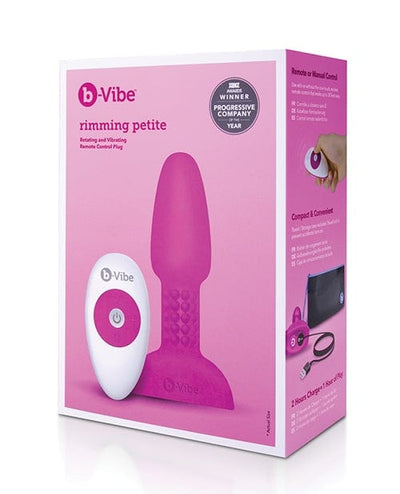
A bundle may be described as silicone even when it contains plastic accessories, a rigid internal component or another surface material. Read the material description for each included item. Coated finishes, glass and metal require different inspection and maintenance considerations.
An item with electronics has additional charging and water-resistance requirements. The manufacturer's cleaning instructions may apply differently to the main body, remote control and accessories. Avoid applying a universal routine without checking the construction.
A transparent listing should identify whether materials are consistent across the set. Vague phrases such as premium blend or soft material do not provide enough information to judge cleaning compatibility.
Examine photographs for visible seams, transitions, surface texture and connection points. A set should be evaluated item by item because defects or construction differences may not appear uniformly across all pieces.
Glass items should be checked for chips or cracks, coated metal for flaking or roughness, and flexible materials for tears or deterioration. An item that appears damaged should not be used simply because the remaining pieces are intact.
Reviews may help identify packaging and customer-service patterns, but they cannot replace manufacturer specifications or an inspection of the actual items received.
A storage pouch or fitted case can add practical value, especially when a package contains several materials. Check whether the case is included or merely shown in a lifestyle photograph. A decorative box is not necessarily suitable for long-term storage.
Products should be cleaned and fully dried before storage according to manufacturer instructions. Separate compartments may help prevent scratches and unwanted contact between surfaces. Charging cables and manuals should be kept with the correct model.
Accessory lists matter when comparing prices. A lower-cost package without a protective case or necessary charger may not be directly comparable with a more complete bundle.
Cleaning requirements should be checked for each piece. A solid waterproof item may permit a different method from a rechargeable model or a coated finish. Follow the instructions for the exact material and construction.
Dry all items completely, paying attention to textured areas, seams and charging contacts. Avoid storing damp components together in a closed case. A shared storage container does not make all included items compatible with the same cleaning procedure.
For detailed material-specific guidance, read our Butt Plug Materials and Cleaning Guide.
Dividing the total price by the number of pieces provides a simple arithmetic figure, but it is not a complete measure of value. A set may include items with different materials, features or documentation quality. A low price per piece can be misleading when important specifications are missing.
Compare the total set price with the cost of purchasing similar documented items separately. Include shipping, accessories, manufacturer support and return-policy restrictions where relevant. A bundle discount is meaningful only if the contents are products you actually intended to evaluate.
Avoid claiming that a set is the best deal solely because it contains more items. Price transparency and a clear contents list provide a better foundation for an informed decision.
A set is not automatically the right choice for every shopper. If only one design meets the desired specification, buying several unrelated items may offer little practical value. A single well-documented product can be easier to compare and maintain.
Sets may make sense when the buyer specifically wants a documented range of shapes or dimensions, a coordinated storage solution or a manufacturer-supported bundle. The decision should be based on the actual contents rather than a broad marketing claim.
A useful comparison asks whether the bundle offers meaningful differences or simply repeats features that do not matter to the buyer.
Catalog images can exaggerate differences between pieces through perspective, cropping or arrangement. A product placed in the foreground may appear much larger than another even when their published dimensions are close.
Look for consistent scale, a complete contents photograph and individual images of each item. Where available, a technical drawing is more reliable than a decorative display. Do not estimate usable length or base width from an unscaled picture.
If the gallery appears to show different generations or color variants, confirm which exact package is currently being sold.
Missing per-item dimensions are one of the most important warning signs. Other problems include ambiguous material descriptions, absent base photographs, inconsistent product counts and claims that a set is universally suitable.
Be cautious when a listing borrows the same specifications for all pieces despite visibly different shapes. This may indicate copied product data rather than verified measurements. Ask for the manufacturer's original chart.
A trustworthy retailer should be able to explain what is included, identify the model and clarify whether the photographed items match the available variant.
Create a table with one row for each piece in each candidate set. Include set name, item identifier, material, maximum diameter, neck dimensions, usable length, base design, accessories and source of specifications.
Next, add package-level fields: total price, number of items, included storage, warranty, shipping and return restrictions. Keep missing information marked as unknown rather than filling it with estimates.
This method makes it possible to compare a three-piece set with a four-piece set without assuming that the larger quantity automatically offers better value.
Compare the delivered contents with the current listing and manufacturer documentation. Verify the item count, model identifiers and any included accessories. If a piece differs materially from the description, contact the retailer before using it.
Inspect each surface for damage and confirm that every product has the documented base design. Keep packaging and instructions until the contents have been checked. Review the applicable return policy, particularly for hygiene-sensitive items.
If an item is damaged, do not attempt an improvised repair. Seek manufacturer or retailer guidance on replacement.
Narrow the shortlist to sets with complete documentation. Compare each item, not merely the total quantity. Confirm material, shape, measurements, retrieval feature, cleaning method and included accessories.
Then evaluate price and support. A well-described set with reliable manufacturer instructions is easier to assess than a bundle promoted with vague claims and dramatic photographs.
The best purchase is the one whose documented contents match the shopper's intended comparison criteria, not the one with the most pieces or the boldest ranking.
| Field | What to record |
|---|---|
| Contents | Each individual piece and accessory |
| Measurements | Maximum diameter, neck, usable length, base dimensions |
| Material | Construction of every piece |
| Base design | Retrieval feature for each item |
| Maintenance | Cleaning, drying and storage instructions |
| Value | Total price, accessories, support and policies |
No. Some sets contain different shapes or features. Check the exact contents list.
No. Compare manufacturer measurements for every piece.
No. A retail sequence describes product dimensions, not individualized medical or use guidance.
Not necessarily. Material and electronic construction may require different procedures.
No. Consider construction, documentation, accessories and whether the items meet your comparison criteria.
Every item intended for anal use should have an appropriate purpose-designed external retrieval feature.
Compare a set piece by piece. Verify the exact contents, individual dimensions, materials, bases, care requirements and total value. Browse the Butt Plugs collection for available models and consult our beginner buying guide for broader product-selection advice.