Shopping cart
You have no items in your shopping cart.
Quick answer: The best way to talk with a partner about trying something new is to choose a calm moment, describe the idea without pressure, ask how they feel about it, and make it clear that “no,” “not now,” or “I’m not sure” are acceptable answers. Consent should be specific, voluntary, ongoing, and reversible.
This article is specifically about how to start and navigate the conversation. It is not a couples-toy buying guide and it is not a general partner-pleasure guide. If the conversation later turns into product shopping, use our separate Sex Toys for Couples guide.
Planned Parenthood recommends talking about sexual preferences and boundaries openly because partners cannot be expected to automatically know what the other person wants. A calm moment outside the activity itself can make the conversation easier and lower-pressure.
Bringing up a new activity when one person feels they have to answer immediately can make it harder to tell whether the response is genuine enthusiasm or social pressure.
Not every question needs an instant yes-or-no answer. “I want to think about it” is a valid response.
Source: Planned Parenthood: Talking to Your Partner About Sex.
It is easier to respond honestly when the idea is presented as information rather than a test of the relationship.
Explain what interests you rather than implying that your partner is missing something or needs to change.
A useful structure is: “I’ve been curious about this. How do you feel about it?” That leaves room for enthusiasm, hesitation, questions, or a no.
RAINN defines consent as clear, voluntary, and ongoing. Planned Parenthood similarly emphasizes that consent must be freely given, reversible, informed, enthusiastic, and specific.
If saying no would trigger guilt, anger, repeated persuasion, threats, or relationship pressure, the invitation is not truly pressure-free.
RAINN notes that silence, uncertainty, freezing, or pulling away are reasons to stop and check in rather than assume consent.
Sources: RAINN: Consent 101 and Planned Parenthood: Sexual Consent.
Agreeing to explore one idea does not imply agreement to every related activity or product.
If a topic includes several parts—new equipment, a different setting, a new role, or a new type of activity—discuss those parts separately.
Planned Parenthood’s consent framework emphasizes that agreeing to one activity does not mean agreeing to another.
A yes today does not create an obligation tomorrow, and either person can change their mind during an activity.
RAINN states that consent is required every time and can be withdrawn at any point.
A plan should be easy to pause or stop without blame.
A partner may like one aspect and dislike another. Avoid treating the idea as an all-or-nothing package.
Someone can ask questions or want to learn more without agreeing to try something.
Not every fantasy needs to become a real-life plan.
Some couples enjoy discussing ideas they never intend to act on.
If a partner shares a fantasy, ask whether they want it to remain imaginary, become a conversation topic, or be explored in some form.
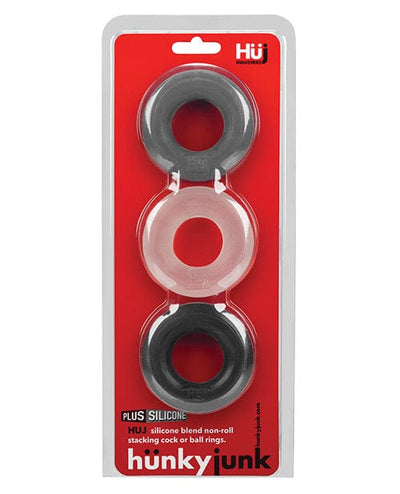
If the idea involves a product, decide what both people are comfortable with before buying anything.
Discuss intended use, size, complexity, noise, controls, material, and whether both people actually want the product involved.
Giving someone a product they did not agree to use can turn a shopping decision into an uncomfortable expectation.
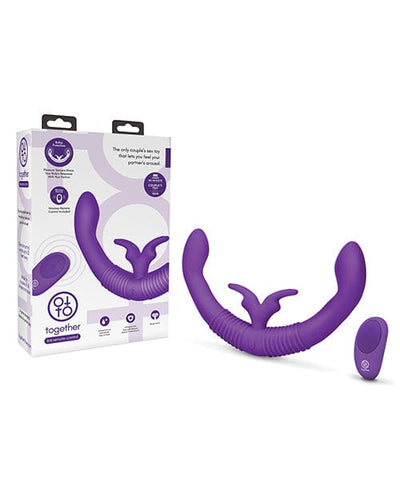
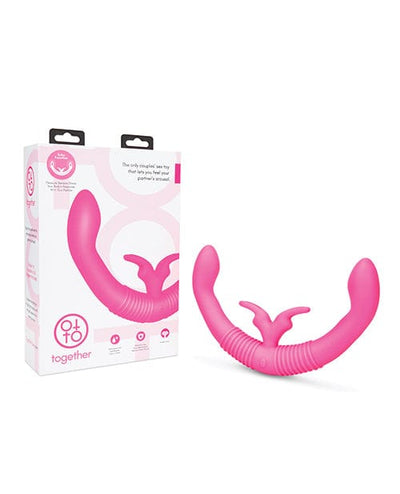
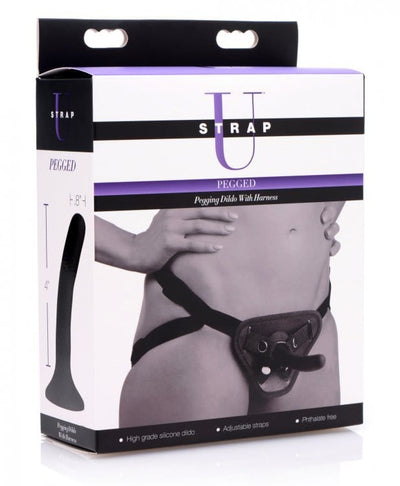
Browse our Couples Toys Collection only after the category itself is mutually welcome.
Buying something expensive, planning a trip, or spending time arranging an activity does not create an obligation for the other person to participate.
Consent does not depend on sunk cost.
Check product policies and avoid presenting the purchase as a commitment the other person must honor.
Some new activities may involve contraception, STI prevention, lubricant compatibility, allergies, medications, pain, pregnancy, or other health considerations.
Planned Parenthood recommends discussing safer sex and STI prevention openly rather than assuming both partners have the same expectations.
If the idea raises questions about persistent pain, bleeding, medication effects, pregnancy restrictions, or another medical issue, professional guidance may be more appropriate.
Trying something new is easier when both people know that stopping is simple and socially acceptable.
For many situations, ordinary phrases such as “stop,” “pause,” or “I’m not comfortable” are enough.
If role-play or another situation might make ordinary language unclear, agree on a separate stop signal in advance.
Consent is an ongoing process rather than a single pre-activity conversation.
Questions such as “Still okay?” or “Want to continue?” can provide useful information without turning the activity into a formal interview.
RAINN advises paying attention when someone freezes, pulls away, goes silent, or otherwise seems uncomfortable.
A short follow-up helps separate the experience from the pressure of the moment.
The goal is not to obtain a positive review. It is to learn whether both people felt comfortable and whether anything should change.
Trying something once does not create an expectation to repeat it.
| Stage | Useful question | What to avoid |
|---|---|---|
| Before | “How do you feel about this idea?” | Assuming interest |
| Boundaries | “Anything you definitely do not want?” | Vague blanket consent |
| Decision | “Do you want time to think?” | Demanding an immediate answer |
| During | “Still comfortable?” | Ignoring uncertainty |
| Stopping | “We can stop anytime.” | Guilt or pressure |
| After | “What would you keep or change?” | Expecting praise or repetition |
“You never want to try anything” creates defensiveness and pressure.
Comparing a partner with an ex, another couple, or online content can turn curiosity into criticism.
Planned Parenthood specifically advises respecting boundaries once someone has made it clear they are not interested.
Marriage, dating history, or previous sexual activity does not remove the need for current consent.
Products should support a mutually agreed idea, not create an obligation.
This page owns the search intent “how to talk to your partner about trying something new”. It focuses on timing, language, boundaries, consent, handling hesitation, and follow-up. Our Partner Pleasure Guide focuses on feedback and comfort during intimacy, while our Sex Toys for Couples article focuses on product selection and introduction after both partners are already open to the idea.
We rely on current guidance from Planned Parenthood and RAINN for communication, boundaries, and consent. Both emphasize that consent must be clear, voluntary, specific, ongoing, and reversible, and that pressure or uncertainty are reasons to stop rather than persuade. Product recommendations remain secondary to the conversation itself.
Last updated: October 2, 2026.
Choose a calm moment, describe your interest without criticism, ask how they feel, and make it clear that declining is acceptable.
Treat “maybe” as undecided, not as consent. Give them time and avoid repeated persuasion.
Usually not if the purchase implies that your partner is expected to use it. Discuss the category and boundaries first.
Respect the answer. A no to an activity is not necessarily a rejection of you or the relationship.
Yes. Consent is reversible at any time, including during an activity.
Whenever preferences change, a new activity is introduced, or either person feels uncertain. Communication is ongoing rather than a one-time conversation.
Pressure, guilt, threats, or ignoring a boundary are not consistent with healthy consent. RAINN and Planned Parenthood both identify coercive pressure as a serious concern.